Why the control yoke deserves consideration when upgrading avionics, autopilot controls, and cockpit ergonomics in legacy Cessna and Piper aircraft
By Michael Gilbert, Operations, Avion Research Corporation
When you climb into the pilot’s seat, settle in for pre-flight checks, and prepare for takeoff, what’s the very first thing your hand instinctively reaches for? Your control yoke. It’s far more than a mechanical lever; it is the primary interface between pilot and plane.
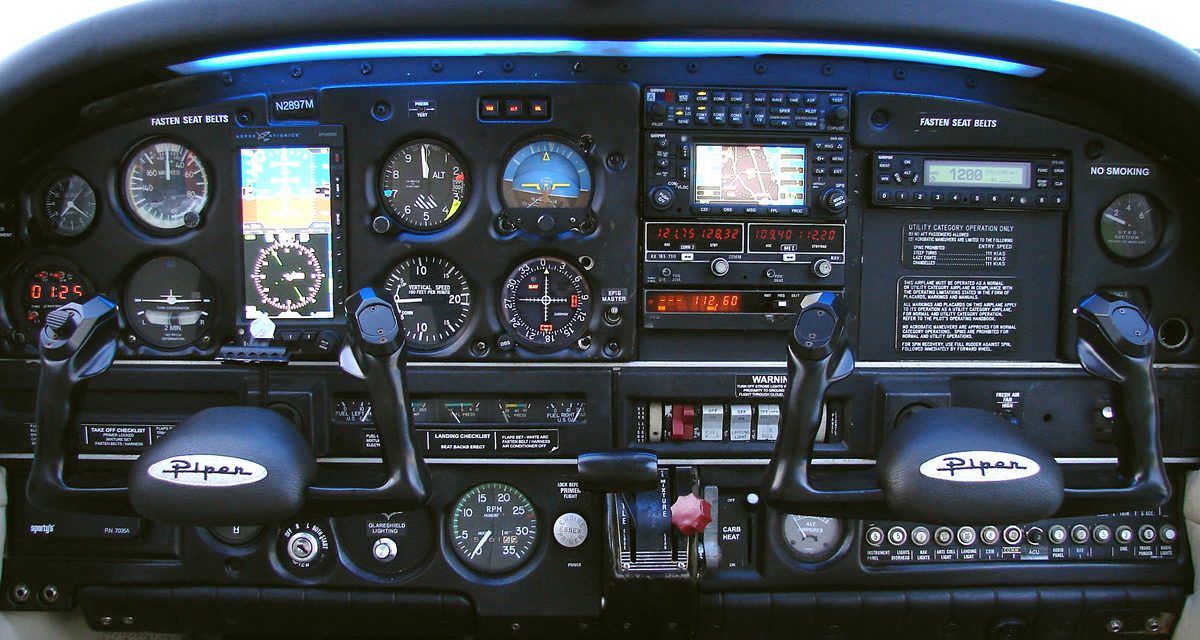
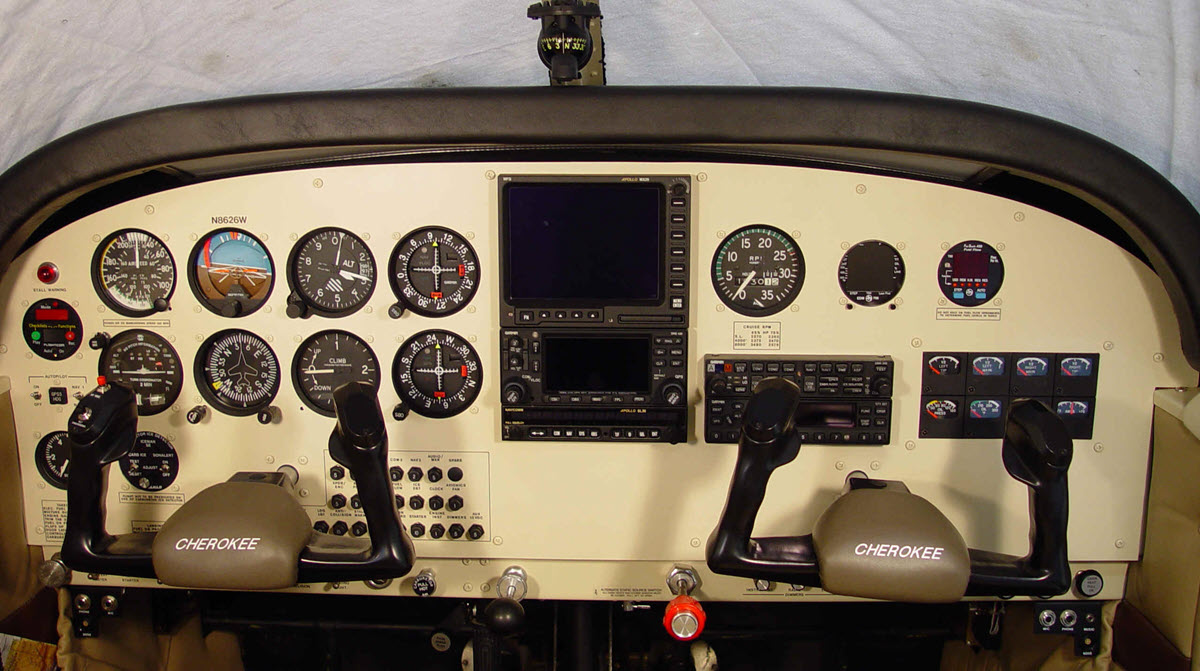
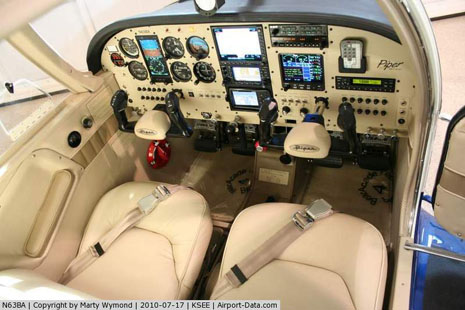
For decades, owners have poured substantial resources into upgrading and modernizing their legacy aircraft. Aging analog instruments have given way to digital displays, GPS navigators, engine monitors, and increasingly capable autopilots. Yet, a glaring contradiction frequently remains right in the center of the cockpit: worn and cracking, factory yokes that look far out of place with the newer upgrades.
As avionics advance, this outdated hardware creates an unexpected problem. Pilots now face a frustrating dilemma: where do you place the push-to-talk (PTT) buttons, autopilot disconnects, and electric trim switches? That makes the yoke worth considering as part of the overall modernization plan rather than leaving it as an afterthought.
Modern avionics have changed what pilots need from a yoke
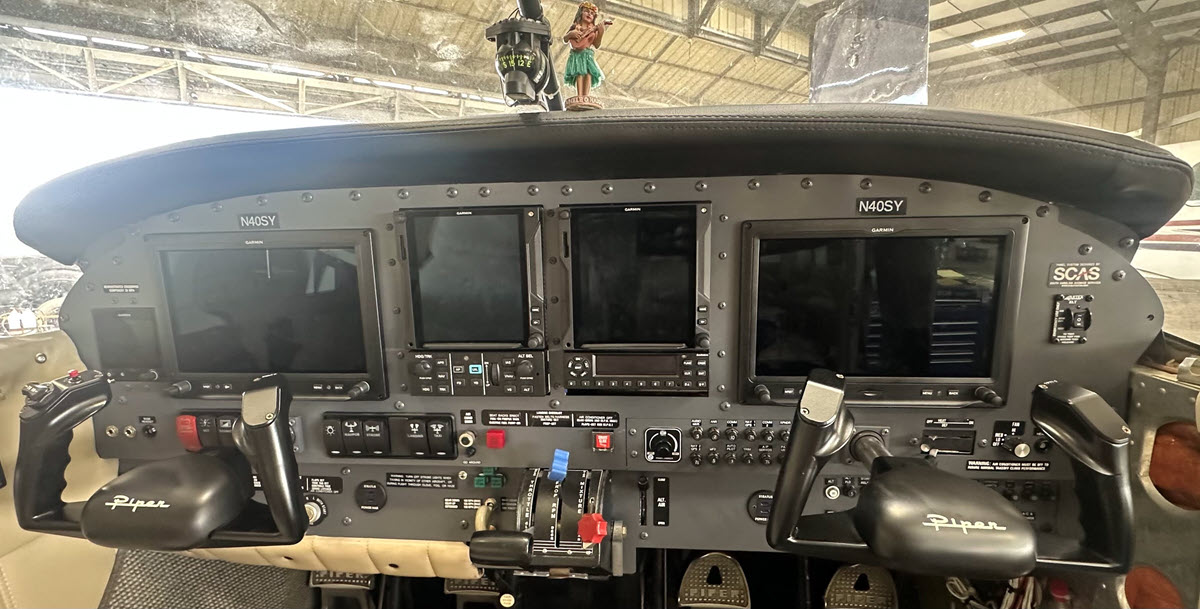
The rapid evolution of general aviation technology has revolutionized how pilots navigate the skies. Cockpits that once relied purely on analog inputs are now regularly retrofitted with primary flight displays (PFDs) and multi-function displays (MFDs). While these electronics significantly enhance situational awareness, they also demand a higher level of physical interaction from the pilot.
Modern autopilots and communication systems require tactile buttons that are easily accessible without requiring the pilot to remove their hands from the flight controls. This is precisely where original factory equipment falls short. The original plastic or composite yokes found in legacy Cessna and Piper models were never designed to house internal wiring or electronic switches.
To work around this limitation, aircraft owners and avionics shops have historically had to adapt controls and wiring to yokes that were never designed to accommodate them. Avion Research approaches the problem differently, with FAA-PMA-approved replacement control yokes designed specifically for legacy Cessna and Piper aircraft and the demands of the modernized cockpit.
What should an owner consider in a replacement yoke?
A replacement yoke is more than a cosmetic upgrade. Its construction, switch flexibility, wiring provisions, durability, and compatibility with the aircraft all deserve consideration. These were among the priorities behind the design of Avion Research’s replacement yokes.
• Construction & Control Feel
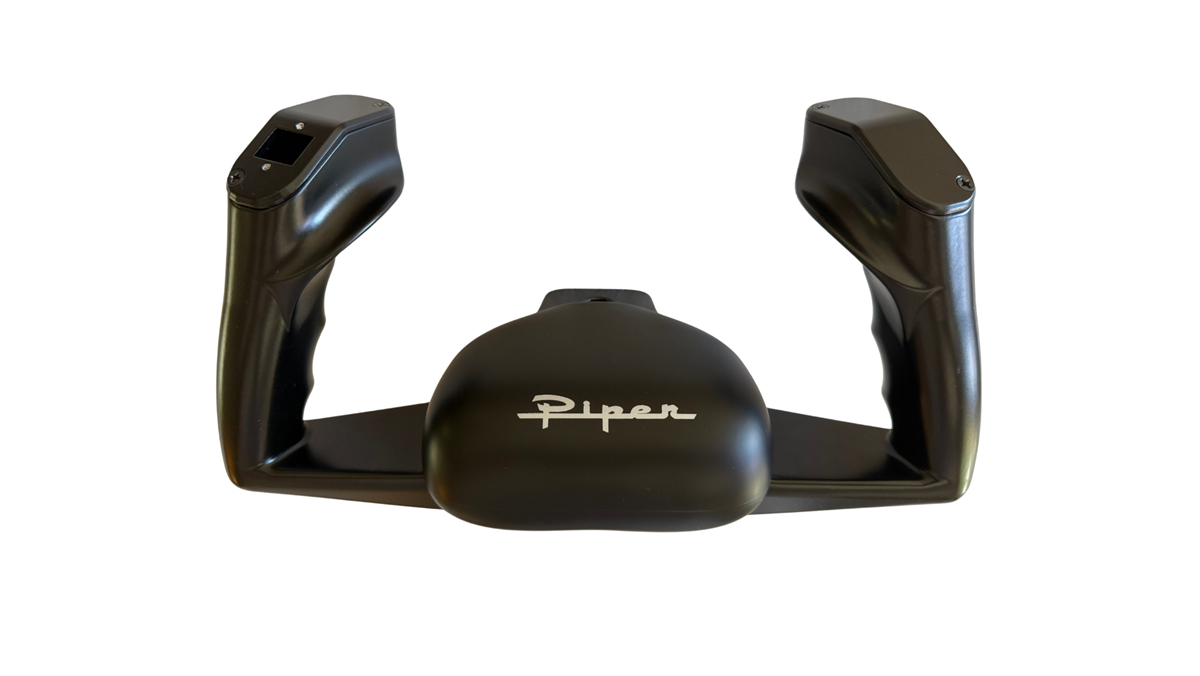
Owners should consider the construction and control feel of the yoke. Avion Research yokes are engineered to replace original equipment without compromising the structural integrity or aesthetics of the cabin. Rather than utilizing brittle plastics, these yokes are manufactured from high-strength, die-cast aluminum. This material choice provides a rigid, flex-free feel during turbulence and crosswind landings, giving the pilot a more precise connection to the control surfaces.
• Internal Wiring
The defining characteristic of an Avion Research wheel is its integrated wiring infrastructure. The cast aluminum core features precisely drilled internal channels which run through the grips and directly into the center mounting hub. This allows all electrical wiring to be completely hidden inside the unit, resulting in a clean cockpit free of dangling hazards.
• Configurable Controls
Switch configurations can help reduce pilot workload when installed properly. With Avion Research’s yokes, the top of each ergonomic grip features a removable cap providing an ample flat surface area. These caps are engineered to accommodate custom switch configurations. Whether you only need a basic PTT button or require a diverse cluster of switches, the layout can be tailored to your exact needs.
• Protecting the Yoke Finish
Flight decks are harsh environments. Between direct overhead sunshine, humidity, and the natural sweat and oils from a pilot’s hands, standard paint or raw plastics degrade quickly. Avion Research finishes its yokes with a premium industrial powder coat. This treatment creates a durable barrier that preserves the visual aesthetic and tactile comfort of the yoke over countless flight hours.
• Compliance & Safety
One of the most important considerations of replacing the yoke is compliance.
In the aviation world, safety is paramount. Installing unapproved or heavily modified hardware on a certified aircraft can invalidate its airworthiness certificate and complicate annual inspections. Avion Research removes this regulatory headache.
Their replacement control yokes are fully FAA-PMA certified under PMA PQ05436NM. A Parts Manufacturer Approval (PMA) is a combined design and production approval issued by the Federal Aviation Administration. It proves that the replacement part meets or exceeds the structural and safety performance of the original factory component.
Because these yokes are recognized as direct, approved replacements for original equipment, installation is incredibly straightforward. There is no need for a complex, lengthy FAA Form 337 Major Alteration submission or a field approval from a FSDO inspector. Instead, a licensed A&P mechanic can install the yoke, and an IA can return the aircraft to service with a simple logbook entry.

• Integrating Modern Autopilot Controls
As digital flight control systems have become more accessible to general aviation owners, advanced autopilots have become an increasingly common upgrade in legacy aircraft. The Garmin GFC 500 is one example, bringing capabilities such as stability functions, envelope protection, and coupled approaches to many older aircraft.
Taking full advantage of a GFC 500 installation also requires convenient access to yoke-mounted controls, including manual electric trim and an autopilot-disconnect button. Avion Research yokes are designed with autopilot compatibility in mind.
The cored aluminum frame can accommodate the multi-conductor wiring required by modern digital flight controls. Avion Research also offers pre-drilled plate accessories designed to house standard electric trim switches. This allows the yoke and its switch configuration to become an integrated part of the avionics installation rather than something that must be adapted afterward.
• Four Decades of Cessna & Piper Experience
Designing a replacement yoke that works across decades of Cessna and Piper production requires an understanding not only of modern avionics, but also of the aircraft in which those systems are being installed.
Avion Research is a specialized aviation design company firmly rooted in Northern California. Incorporated in 1984 within the San Francisco Bay Area, the company has spent over four decades serving the general aviation community. Despite the global reach of their product line, Avion Research remains a dedicated, small business focused on precision engineering, manufacturing quality, and white glove customer service.
The company maintains strict quality control over its FAA-approved manufacturing processes. Because they specialize specifically in upgrading Cessna and Piper control wheels, they possess deep historical knowledge in the subtle variation of aircraft that span across decades of production.
This specialization also allows the company to provide knowledgeable technical support to aircraft owners and mechanics. Furthermore, their streamlined operational model allows them to maintain consistent stock, typically shipping orders worldwide within 3 to 5 business days.
The Finishing Touch to Your Modernized Cockpit
Upgrading a classic aircraft is a labor of love and a significant financial investment. Owners spend hours selecting the right panel instruments, modernizing engine monitors, and cleaning up their interior styling. Leaving an old, deteriorating plastic yoke at the center of a newly renovated panel is like putting old tires on a high-performance sports car—it detracts from both the experience and the functionality.
Avion Research control yokes combine style, comfort, and function while addressing the practical requirements of a modernized cockpit. They provide internal routing for avionics wiring, accommodate frequently used flight controls, replace aging original equipment, and complement the appearance of a modern glass panel. By placing important flight functions directly at the pilot’s fingertips, the yoke becomes an integrated part of the modernized cockpit rather than an overlooked piece of its past.
Visit Avion.com for a list of compatible aircraft models and pricing.