By Hartzell Aviation
Aircraft owners rarely enjoy putting a perfectly good airplane back in the shop.
The annual is completed. A magneto has been serviced. An alternator has been replaced. An exhaust repair is finished. The airplane returns to service and a few months later, another maintenance event puts it right back on the ground.
Sometimes that’s unavoidable. Machines are machines. Their components wear and unexpected problems happen. But some owners are taking a more coordinated approach.
Instead of treating every maintenance event as an isolated repair, they are looking at what else is likely to need attention and asking a simple question: While the airplane is already down, what else makes sense to address?
That doesn’t mean replacing perfectly serviceable equipment. It means using planned downtime as an opportunity to look ahead and stay ahead.
One Maintenance Event Can Create Another Opportunity
An annual inspection is an obvious example. The airplane is already opened up. Inspection panels may already be removed. The mechanic is already familiar with what has been found. The owner is already thinking about maintenance priorities and making decisions about the aircraft.
If another known maintenance need is approaching, this may be an opportunity to coordinate the work.
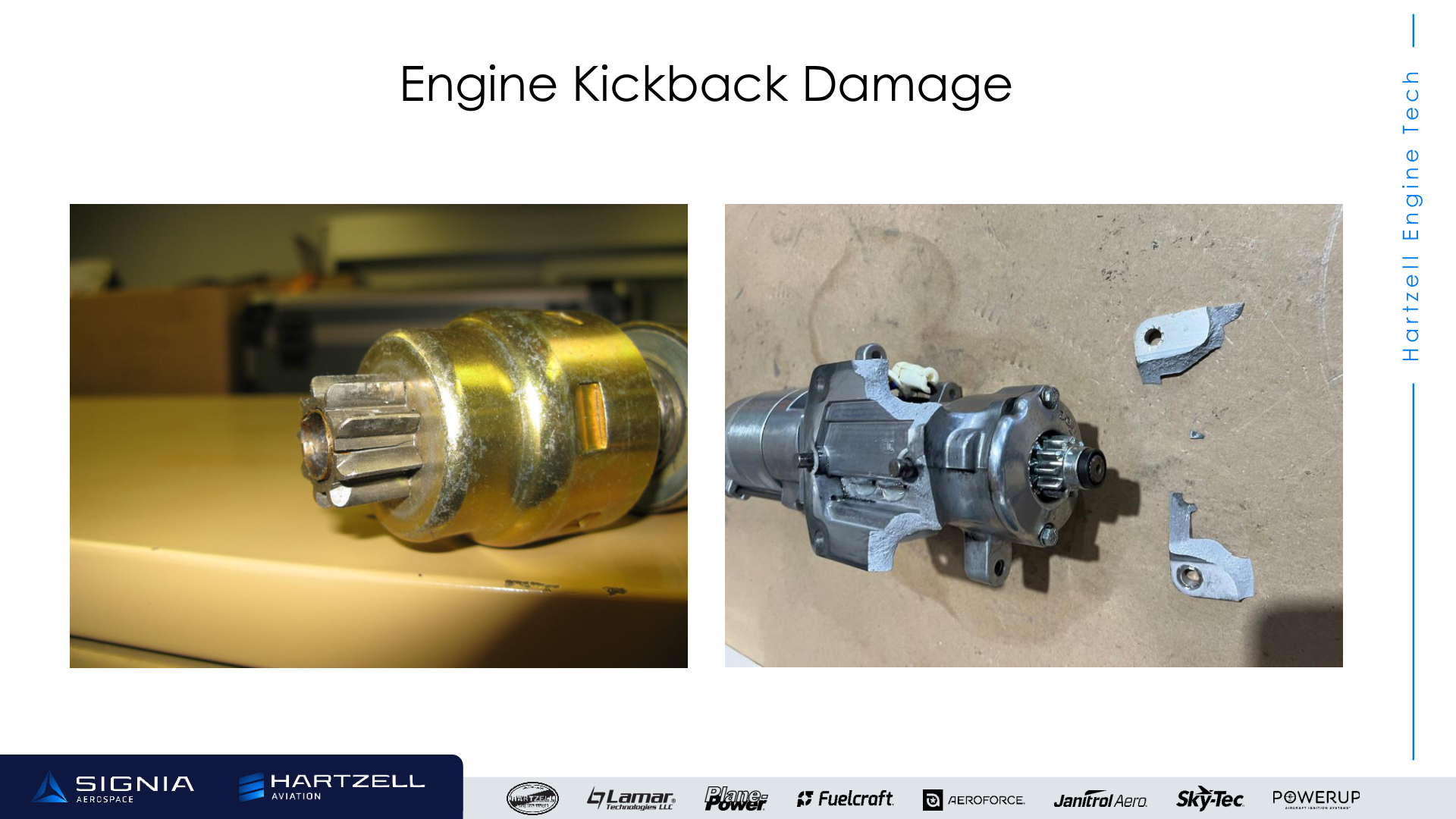
The same can happen during engine work, ignition-system maintenance, exhaust repairs, electrical troubleshooting, or other scheduled shop visits.
Suppose a magneto is approaching an inspection or overhaul interval at roughly the same time the aircraft is scheduled for its annual. Or an aging starter or alternator has been showing signs that it deserves closer attention. Perhaps the exhaust system has accumulated enough time that the owner and mechanic already planned to inspect it more carefully at the next opportunity.
Those components may have nothing mechanically wrong with them today. But addressing several known needs during one planned maintenance period may be preferable to scheduling three separate shop visits over the next year.
Downtime Has a Cost, Too
When owners calculate the cost of aircraft maintenance, the invoice naturally receives most of the attention. But downtime has its own costs and inconveniences.
Every separate maintenance event can involve scheduling the shop, delivering the airplane, opening and inspecting the aircraft, diagnosing the problem, sourcing parts, completing the work, performing the appropriate checks, documenting the maintenance, and returning the airplane to service.
Then there is the owner’s time. A maintenance event can disrupt a planned trip, training schedule, business flight, vacation, or simply the opportunity to fly.
That is one reason scheduled preventive maintenance can matter. On our website, we describe the 500-hour magneto inspection as a way to identify worn internal components before they fail. When that inspection can be anticipated and coordinated with other scheduled work, the owner has more opportunity to plan the maintenance event instead of reacting to an unexpected ignition problem.
Look at the Work Around the Work
Bundling maintenance does not necessarily mean performing unrelated jobs simply because the aircraft is on the ground. The better question is whether one maintenance event creates logical access, labor, inspection, or planning opportunities for another.
If engine accessories are being removed or inspected, are there related components approaching known service intervals? If electrical work is planned, is it also an appropriate time to evaluate the condition of wiring, connections, grounds, the battery, charging system, and electrical capacity? If exhaust work is required, what does the condition of the rest of the system look like?
We brought this broader approach to light in a recent maintenance webinar when Tim Gauntt, A&P/IA, discussed aircraft alternators and drive hubs. If an owner is not sure whether a problem lies with the alternator or the drive hub, we recommend sending both in for evaluation so the source of the problem can be identified. It is a simple example of looking at the related components together rather than assuming the first suspected part tells the whole story.
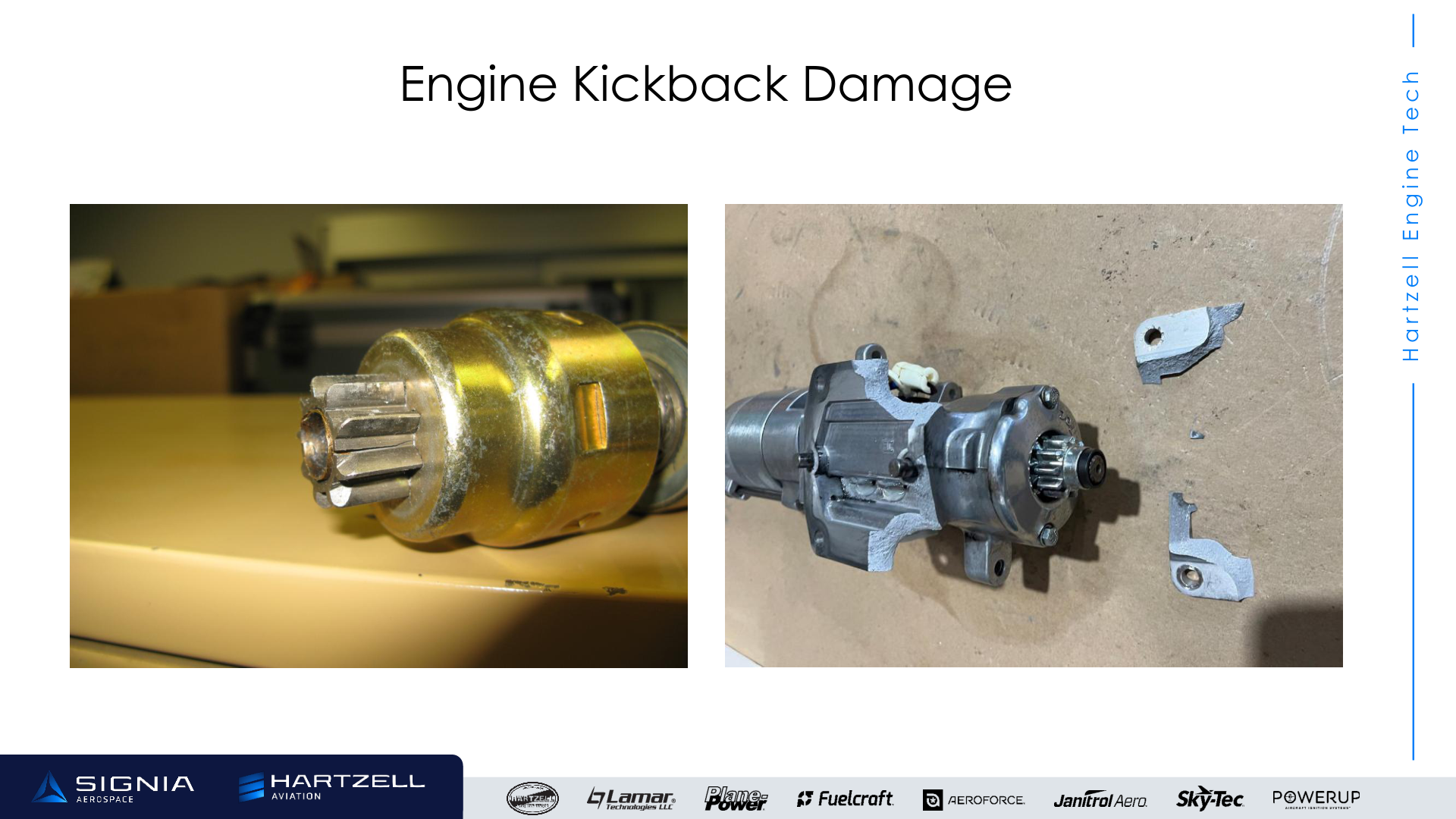
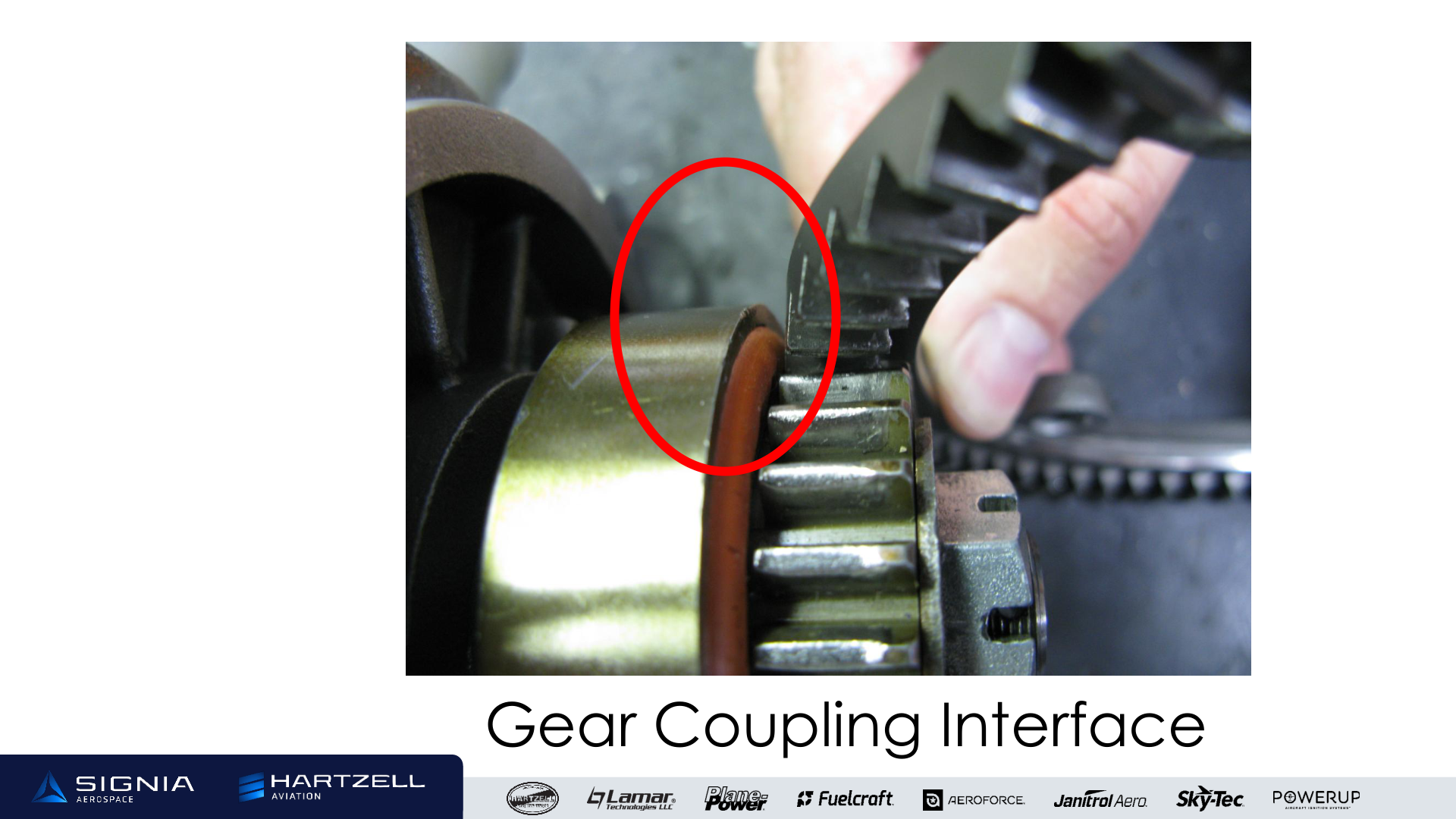
Related drive components and interfaces can become visible or accessible during maintenance. Images from Hartzell Aviation webinar presentation.
If engine work is approaching, are there ignition, starting, charging, fuel, or other firewall-forward items worth discussing before the work begins?
This is where the aircraft’s maintenance history becomes especially useful. Logbooks, component times, previous repairs, recurring discrepancies, inspection findings, and the mechanic’s knowledge of the airplane can help identify what is likely to require attention next.
The goal isn’t to create more maintenance. It is to avoid discovering shortly after one maintenance event that another predictable one was just around the corner.
Labor Can Be Part of the Equation
Coordinating work may also reduce duplicated effort in some situations. Aircraft maintenance frequently requires gaining access before the actual repair or replacement begins. Cowlings, panels, interior components, wiring, hoses, accessories, or other equipment may need to be removed or repositioned depending on the job.
If two planned maintenance tasks require some of the same access or preparation, coordinating them may avoid repeating portions of that work later. That does not mean combining jobs will always save labor. Installation requirements vary considerably by aircraft, component, and maintenance task.
It does mean labor should be part of the conversation. Before scheduling work, an owner can ask the shop: If we know this other maintenance is coming, is there an advantage to doing it now?
Sometimes the answer will be no. Sometimes it can change the maintenance plan considerably.
Bundling Doesn’t Mean Doing Everything at Once
There is another side to smart maintenance planning: knowing what can wait. Few owners have unlimited maintenance budgets, and an aging aircraft can provide a long list of possible projects. That makes prioritization important.
One approach is to think in phases:
Now: Address airworthiness issues, active discrepancies, required inspections, and items with immediate reliability implications.
Next: Identify components or systems likely to require attention during the coming year and determine whether any can logically be coordinated with scheduled maintenance.
Later: Keep longer-term upgrades and modernization projects on the radar, so they can be considered when future maintenance creates the right opportunity.
That approach gives the owner and mechanic a working roadmap without turning every annual into a complete aircraft restoration. It can also provide time to research options, check product availability, understand installation requirements, locate qualified service support, and budget for upcoming work before the aircraft is grounded.
Planning Ahead Creates More Choices
One of the best pieces of advice we can give is to make maintenance decisions before they become urgent. A scheduled magneto inspection or overhaul can create an opportunity to evaluate repair, replacement, or upgrade options before a failure forces the decision.
The same principle applies more broadly. When owners know what may be coming, they have more time to talk with their A&P, evaluate alternatives, locate parts, coordinate schedules, and decide which work makes sense to combine.
When the airplane is already grounded unexpectedly, those choices can become much narrower. The most useful maintenance plan therefore may not simply be a list of things that need to be fixed. It can be a roadmap for when they should be addressed.
Make the Next Shop Visit Part of the Plan
Before the next annual, inspection, overhaul, or scheduled repair, consider having a broader conversation with the technician who knows your aircraft.
- What else are you seeing that is likely to require attention in the next 6–12 months?
- Are any components approaching inspection, overhaul, or replacement intervals?
- Is there related work that would be easier to accomplish while the aircraft is already opened up?
- Are there parts or services we should arrange before the airplane arrives?
- What can safely and sensibly wait for a later maintenance event?
Those questions can turn a shop visit from a reaction into part of a longer-term aircraft maintenance strategy. For owners of aging Cessna and Piper aircraft, that kind of planning is becoming increasingly valuable.
The objective isn’t to do more maintenance. It’s to make better use of the maintenance downtime you already have, allowing you to make more informed, better-planned, and possibly less expensive decisions.
A Practical Example: Inspection Reveals What the Exterior Can Hide
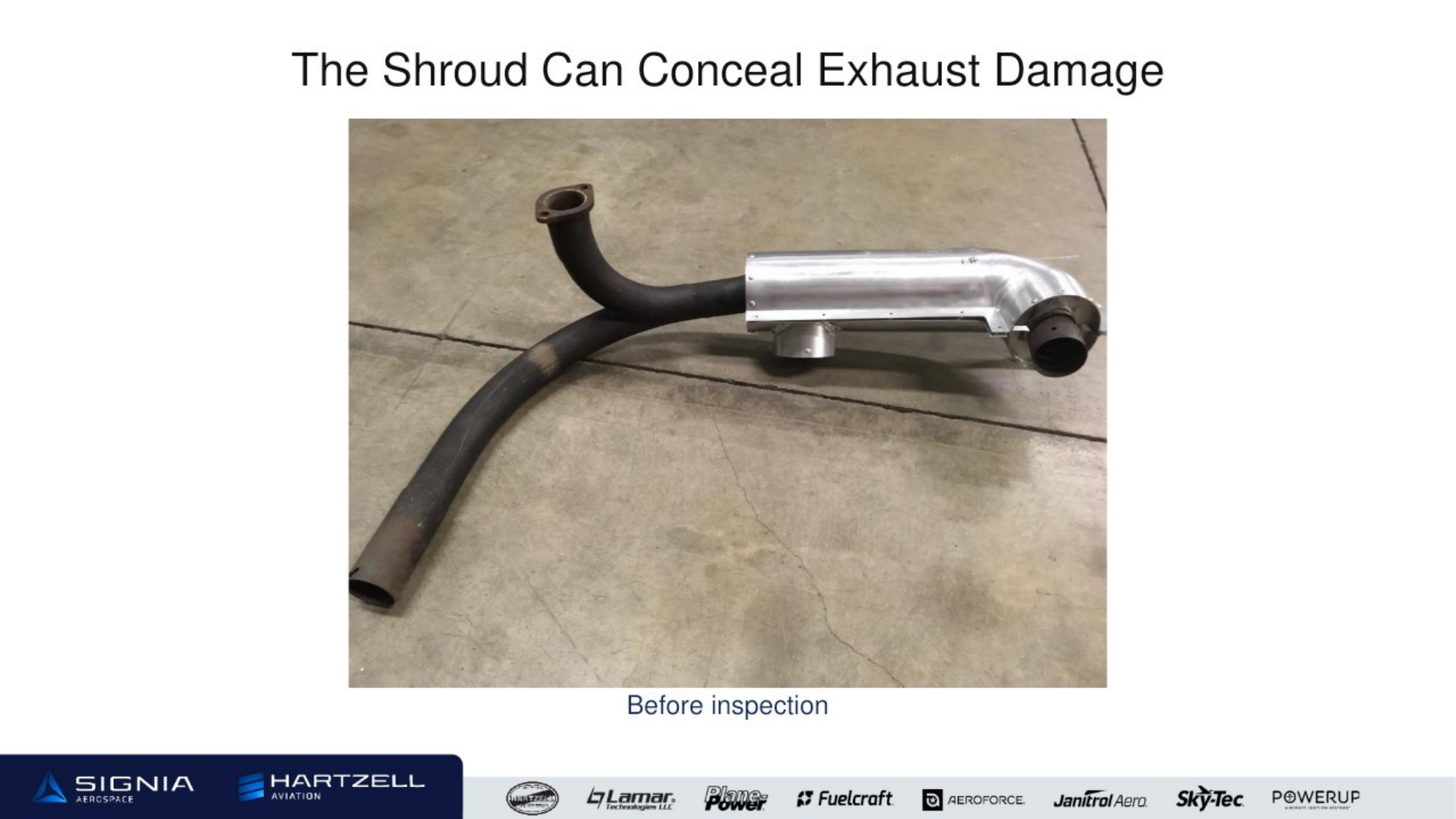
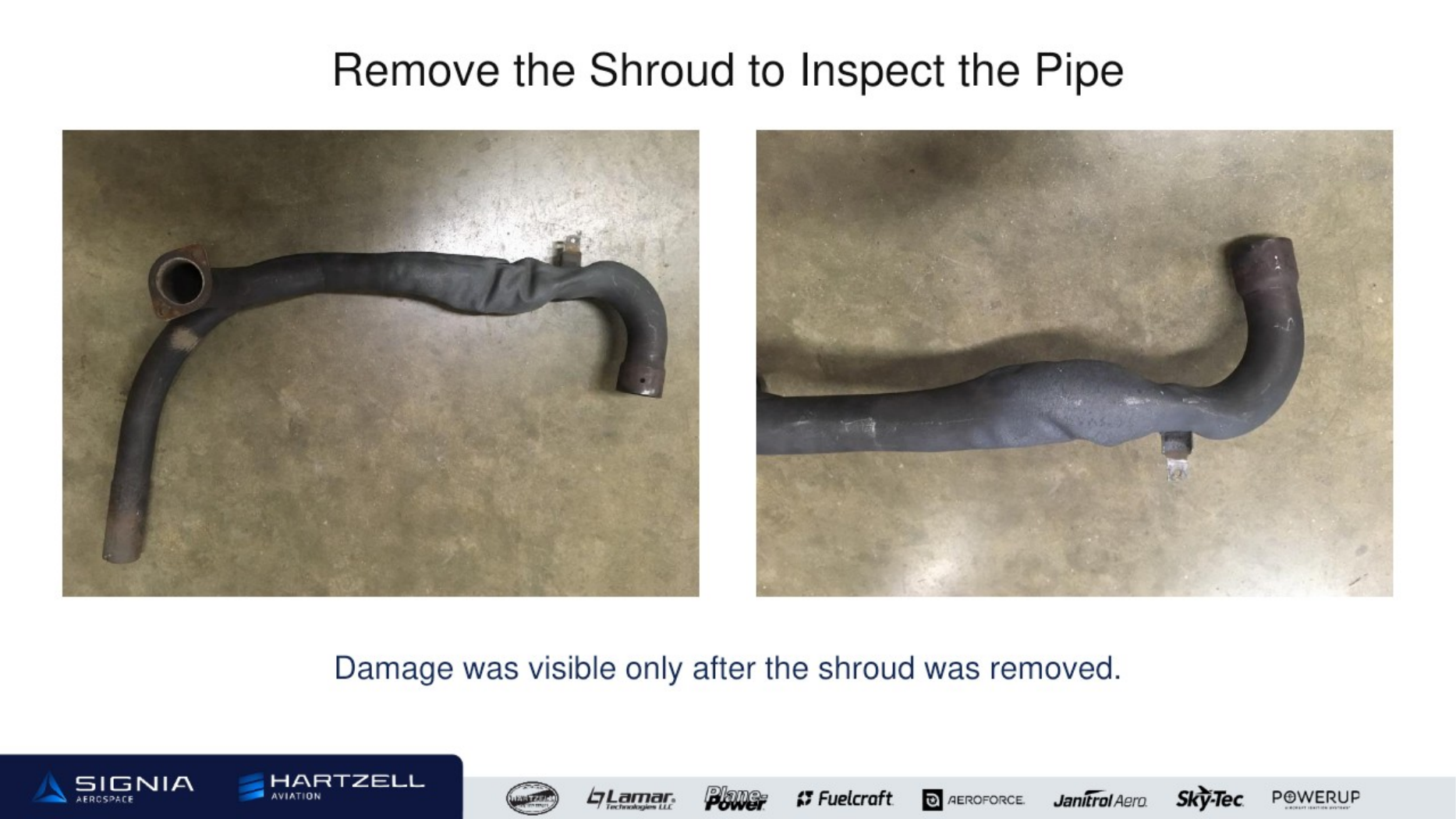
The webinar showed the exhaust assembly with the shroud in place and then with the shroud removed. Damage was visible only after removal—an example of why planned access can reveal conditions that are not apparent from the exterior. Images from Hartzell Aviation webinar presentation.
Watch The Maintenance Decisions That Save Aircraft Owners the Most Money
Our Hangar Class Live webinar, The Maintenance Decisions That Save Aircraft Owners the Most Money, took a deeper look at preventive maintenance, aircraft reliability, common maintenance decisions, and ways owners can reduce unexpected downtime.
Watch the recorded webinar and reach out to us for all of your maintenance needs.
About Hartzell Aviation
Hartzell Aviation provides products and services that support general aviation aircraft throughout their operating lives, with capabilities spanning ignition, electrical, exhaust, engine accessories, and aircraft support systems. Hartzell Aviation MRO provides repair, overhaul, exchange, diagnostics, and lifecycle support through a connected network of certified facilities across the United States and Canada.
We have earned the industry distinction of an FAA Certified Unlimited Repair Station. We’d appreciate earning your trust, too.
Learn more about Hartzell Aviation.