Proactive Steps
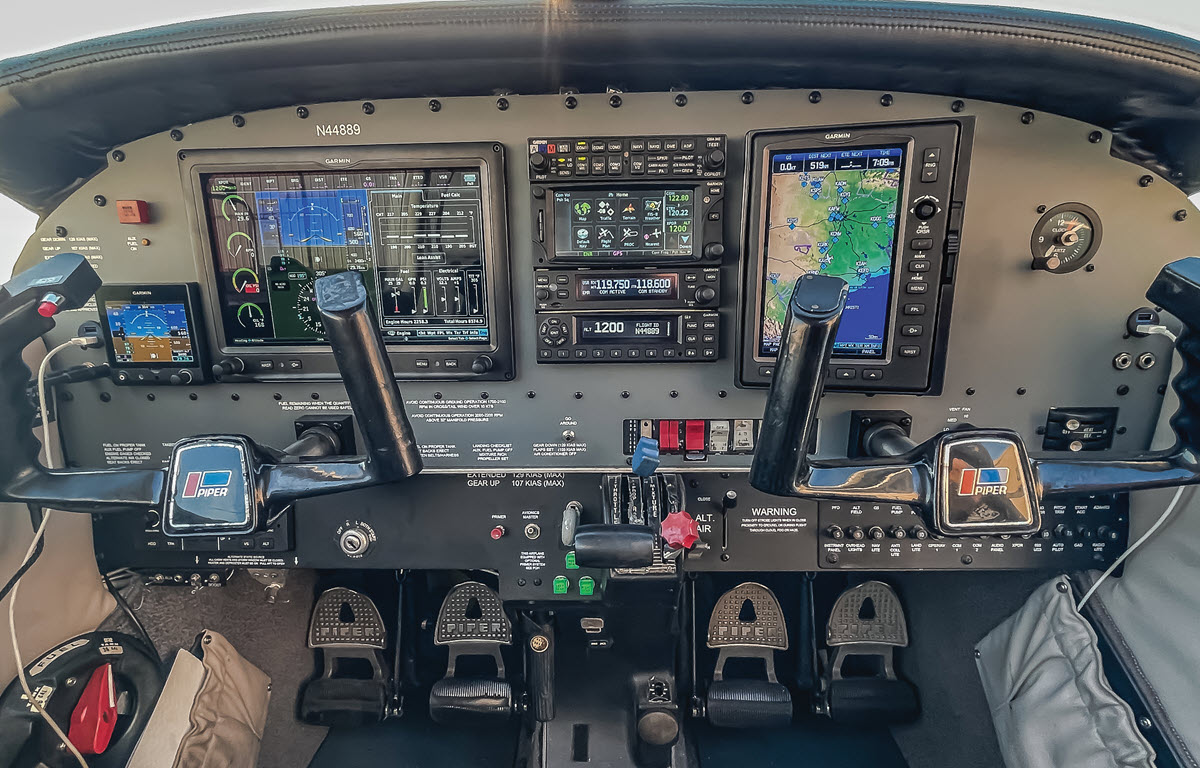
Modern avionics upgrades promise enormous gains in safety, capability, and workload reduction. Yet many aircraft owners discover that the installation process itself can become the most frustrating part of the upgrade. Even relatively straightforward projects, including ADS-B installations, navigator replacements, autopilot retrofits, or EFIS conversions, often require repeated return trips to the shop to correct wiring errors, configuration problems, or integration issues.
A recent online aviation forum discussion explored a central question facing many owners: What proactive steps can an owner take to effectively manage an avionics upgrade?
The discussion produced a practical set of recommendations from aircraft owners, avionics installers, mechanics, and pilots who have experienced both successful and problematic upgrades. The following article consolidates those lessons into a structured approach for managing avionics projects effectively.
Select the Shop Carefully
One recurring theme throughout the discussion was that avionics shop quality varies. Attractive quotes, polished sales presentations, and fast turnaround estimates do not necessarily predict installation quality. Several contributors emphasized that the best information usually comes from word-of-mouth recommendations, conversations with previous customers, direct discussions with the technicians performing the work, and shop reputation.
As one avionics installer explained, there is “a vast difference in shops,” and even large manufacturers may not accurately know which dealers consistently deliver high-quality work.
Owners should spend time talking with pilots who recently completed similar upgrades and ask specifically about post-installation reliability and follow-up support. Shops with extensive experience on a particular aircraft type or avionics package generally provide better results because they are already familiar with the installation challenges unique to those systems. It is also worthwhile to evaluate how clearly and professionally the shop communicates during the estimate process.
One owner ultimately selected a shop partly because the shop’s IA and QC inspector spent significant time discussing quality procedures and even shared their internal process manual. That level of transparency helped build confidence in the organization.
Develop a Clear Statement of Work
A major source of misunderstandings in avionics projects is ambiguity regarding scope. Owners should work closely with the installer to create a detailed written statement of work that clearly defines the equipment being installed, the equipment remaining in the aircraft, the desired interface functions, and the expected system behavior. Items such as autopilot functionality, audio routing, annunciations, and cosmetic expectations should all be documented in writing.
One owner summarized this recommendation, and sent it to all shops for a quote: “Provide a clear, written statement of work, incorporating any recommendations the shop may have.”
A detailed statement of work benefits both parties by minimizing assumptions and reducing the likelihood of disagreements later in the project.

Discuss Quality-Control Expectations Early
A particularly revealing part of the discussion involved formal quality-control procedures. The original poster noted that only one shop was familiar with Garmin’s return-to-airworthiness checklists found in the installation manuals.
Many aircraft owners assume avionics shops routinely perform documented inspections, maintain checkout records, independently verify wiring harnesses, and deliver completed test sheets at the end of the project. In reality, procedures vary significantly from shop to shop.
Owners should ask direct questions before work begins. They should ask whether completed configuration sheets and checkout documents will be provided, whether wiring harnesses receive independent inspections, who performs final quality assurance reviews, and whether post-install flight checks are documented.
One of Piper Owner’s editorial board members noted that he received a 3-ring binder with all of the documentation from his installer, which included operating manuals and passwords, but also pages and pages of wire schematics. This provided the information another shop may need for any future work that may be done.
One installer explained that many shops can provide configuration sheets and schematics if customers request them, but many owners never ask. That insight highlights an important lesson: Owners should explicitly request the documentation they want instead of assuming it will automatically be included.
Understand the Complexity of Modern Avionics Wiring
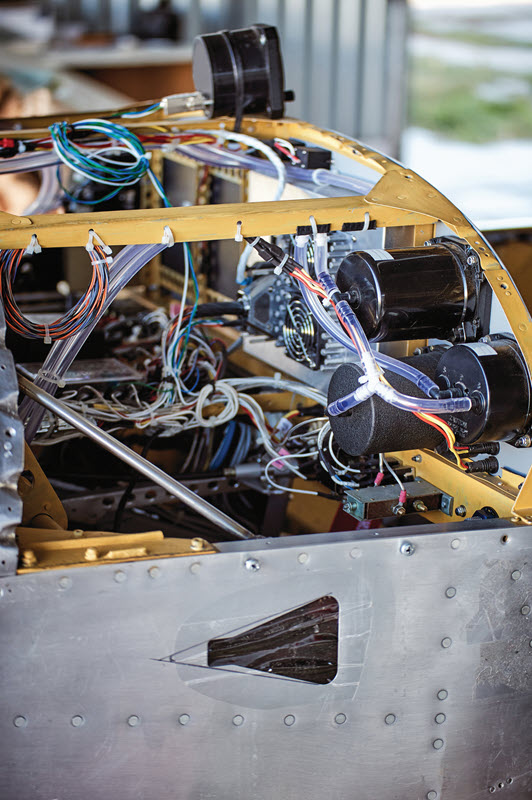
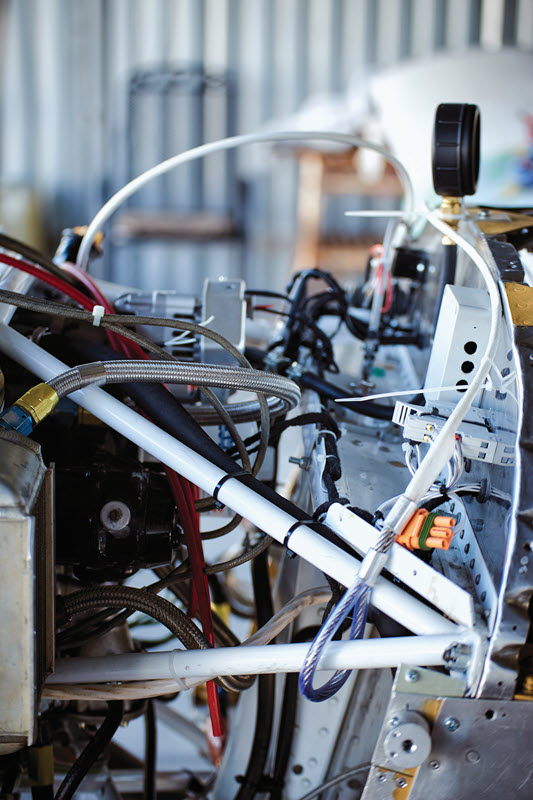
Unlike automotive systems built around standardized modular harnesses, most general aviation avionics installations remain highly customized. One contributor explained that every aircraft presents unique wiring configurations, legacy modifications, interface challenges, and opportunities for mistakes.
Even experienced technicians can occasionally cross-wire connectors, misconfigure software, pinch wiring bundles, or introduce intermittent faults. Modern avionics integration is often just as much a software configuration project as a hardware installation.
Because of this complexity, owners should recognize that some post-installation squawks are almost inevitable. The goal is not perfection on day one, but minimizing defects and resolving issues efficiently.
Use Manufacturer Checkout Procedures
One of the most practical recommendations involved using manufacturer installation manuals as the foundation for testing. Modern Garmin, Aspen, Avidyne, and autopilot installation manuals often include detailed ground tests, configuration verification procedures, flight test requirements, and return-to-service checklists.
An avionics installer participating in the discussion recommended that owners ask the installer for the required post-install checks and use those procedures as the basis for acceptance testing.
Following manufacturer procedures ensures the system is tested according to the standards intended by the equipment designers rather than relying solely on informal evaluations.
Build Structured Flight Test Cards
One owner with military flight-test experience proposed using formal “test cards” to evaluate the completed installation systematically. The idea received strong support from others in the discussion.
A disciplined post-install test program should include ground checks, engine-running checks, taxi evaluations, VFR flight checks, autopilot testing, navigation system verification, coupled approach evaluations, and abnormal mode testing. Structured testing helps prevent missed checks, improves troubleshooting, and clearly documents discrepancies.
Plan Time for Squawk Resolution
Perhaps the most realistic advice from the discussion was simply this: assume there will be squawks.
Several participants noted that even high-quality installations may require software adjustments, calibration corrections, audio balancing, configuration refinements, or autopilot tuning. One owner intentionally reserved an entire work week after installation to execute test cards, work directly with the installer, and resolve discrepancies before departing.
Although this approach increases short-term costs and adds time to completion, it is often far less disruptive and less expensive than repeated warranty trips later.
Conduct Initial Flights Under VFR Conditions
Multiple contributors strongly recommended performing all initial checkout flights in visual meteorological conditions and avoiding immediate IFR dependence on newly installed systems. One owner planned to restrict the aircraft to VFR-only operations for the first 20 hours after installation.
This conservative approach provides time to gain familiarity with the new avionics, detect intermittent problems, validate autopilot behavior, and build confidence in the system before operating in demanding conditions.
Invest in Training Early
Several participants highlighted the importance of pilot familiarization, especially with advanced Garmin systems and digital autopilots. Training options discussed included Garmin eLearning courses, simulator-based familiarization, transition training with experienced CFIIs, and mentorship from pilots deeply familiar with Garmin equipment.
This preparation is important because many apparent “system problems” are actually mode confusion or improper operation. Modern avionics systems are highly software-driven and often involve significant learning curves. The more proficient the owner becomes before pickup day, the more effective the acceptance testing process will be.
Treat the Installer as a Partner
One of the healthiest themes in the discussion was collaboration. Rather than approaching the project adversarially, several contributors advocated frequent communication, clear expectations, professional feedback, and cooperative troubleshooting.
One installer explained that correcting mistakes at no charge is simply part of doing business correctly, and that good shops genuinely want successful outcomes.
The most successful avionics projects often occur when the owner is engaged but reasonable, the shop communicates openly, and both sides focus on solving problems rather than assigning blame.
Final Thoughts
Avionics upgrades have become increasingly sophisticated, integrating flight displays, GPS navigators, digital autopilots, ADS-B systems, engine monitors, audio panels, data networks, and software configurations into a single ecosystem.
That complexity means that even skilled shops can encounter challenges. However, owners can significantly improve the probability of a successful outcome by:
• Selecting experienced installers carefully.
• Defining expectations clearly.
• Requesting formal quality-control documentation.
• Using structured checkout procedures.
• Investing in training.
• Allowing adequate time for testing and refinement.
Ultimately, successful avionics projects are not managed passively, they are managed proactively, collaboratively, and systematically. Owners who approach the process with realistic expectations and disciplined planning are far more likely to end up with what they actually wanted: a safe, reliable, and highly capable aircraft.