By Michelle Adserias
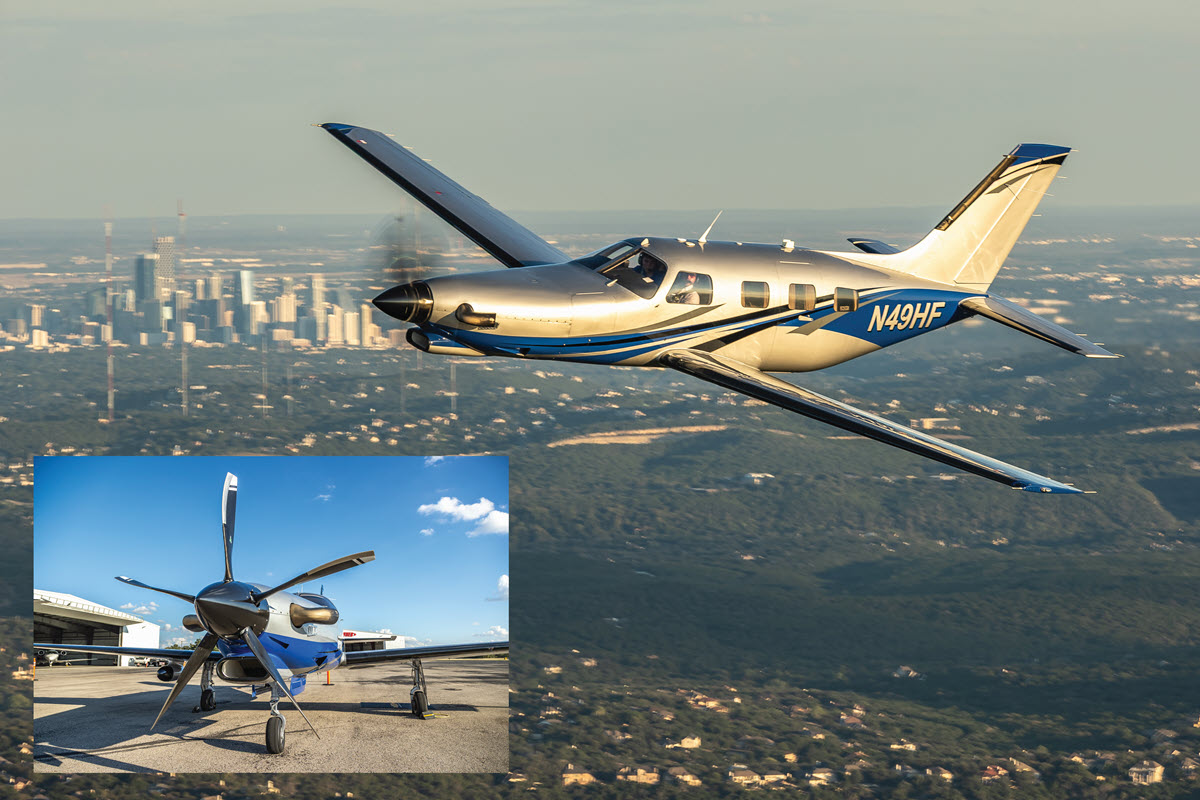
Joe Casey, founder of Casey Aviation Inc., once said the Piper JetProp DLX is “a mechanically-minded pilot’s machine.” As the owner of one, Jason Stanley agrees. He’s discovered it’s a hands-on aircraft he must fly regularly to remain proficient, which he does. As founder of Oak Crest Advisors, Jason makes regular business trips to their 29 offices and affiliates in seven states. These flights, in addition to personal trips, keep him in the skies about 250 hours each year.
Early Beginnings
“From the time I was a young child, I was always enamored with aviation,” Jason Stanley said. He began his flight training when he was 19 years old at Palwaukee Airport (now Chicago Executive Airport) in Wheeling, Illinois. He completed his training in 2001 and received his PPL in Charlottesville, Virginia.
Pipers seem to run in the family. His father’s first airplane, which he purchased in the early 2000s, was a Piper Archer II. When Jason purchased his first aircraft, he settled on a 1978 Piper Arrow III, which he sold in 2023 to upgrade to his current plane.
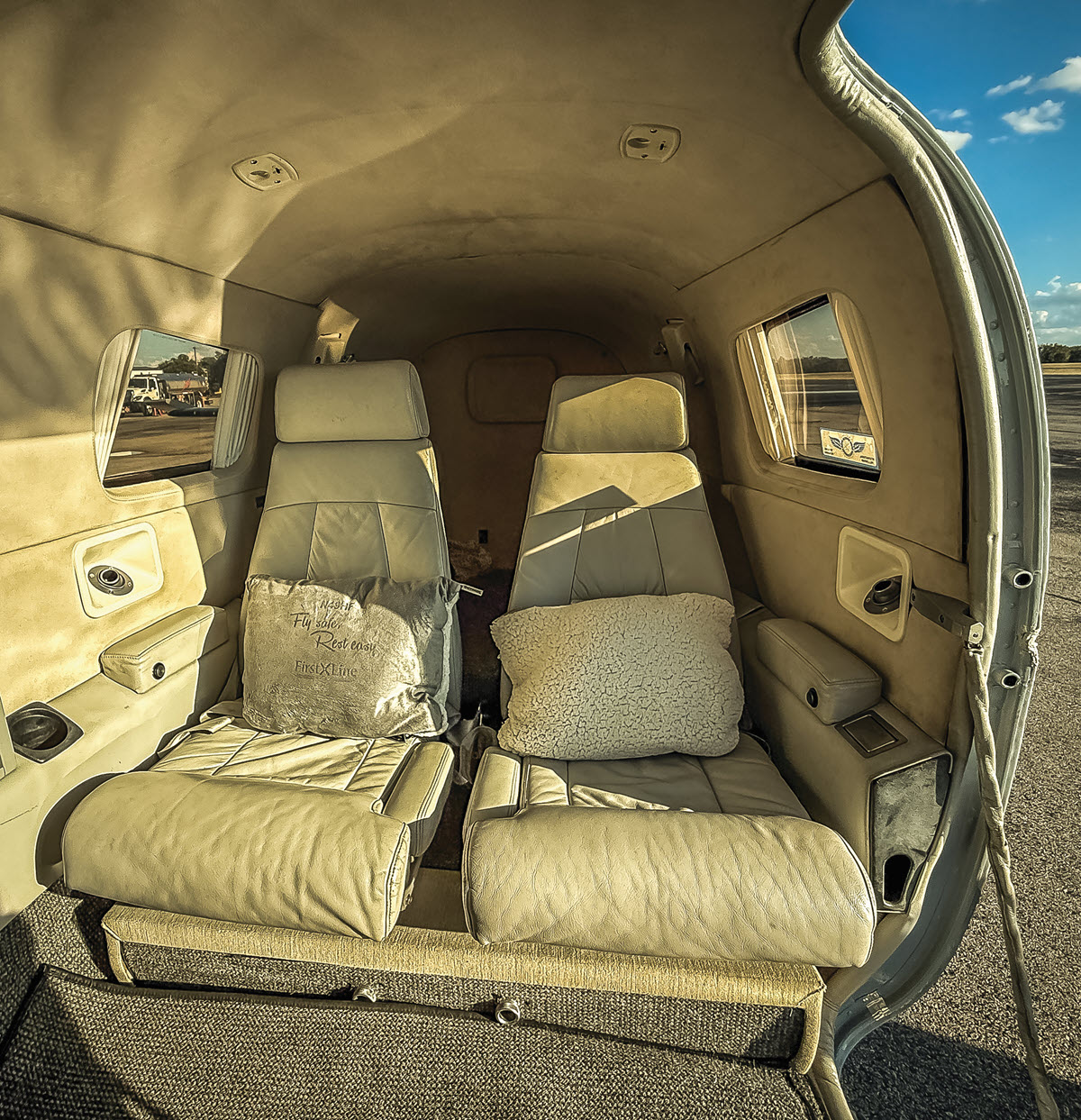
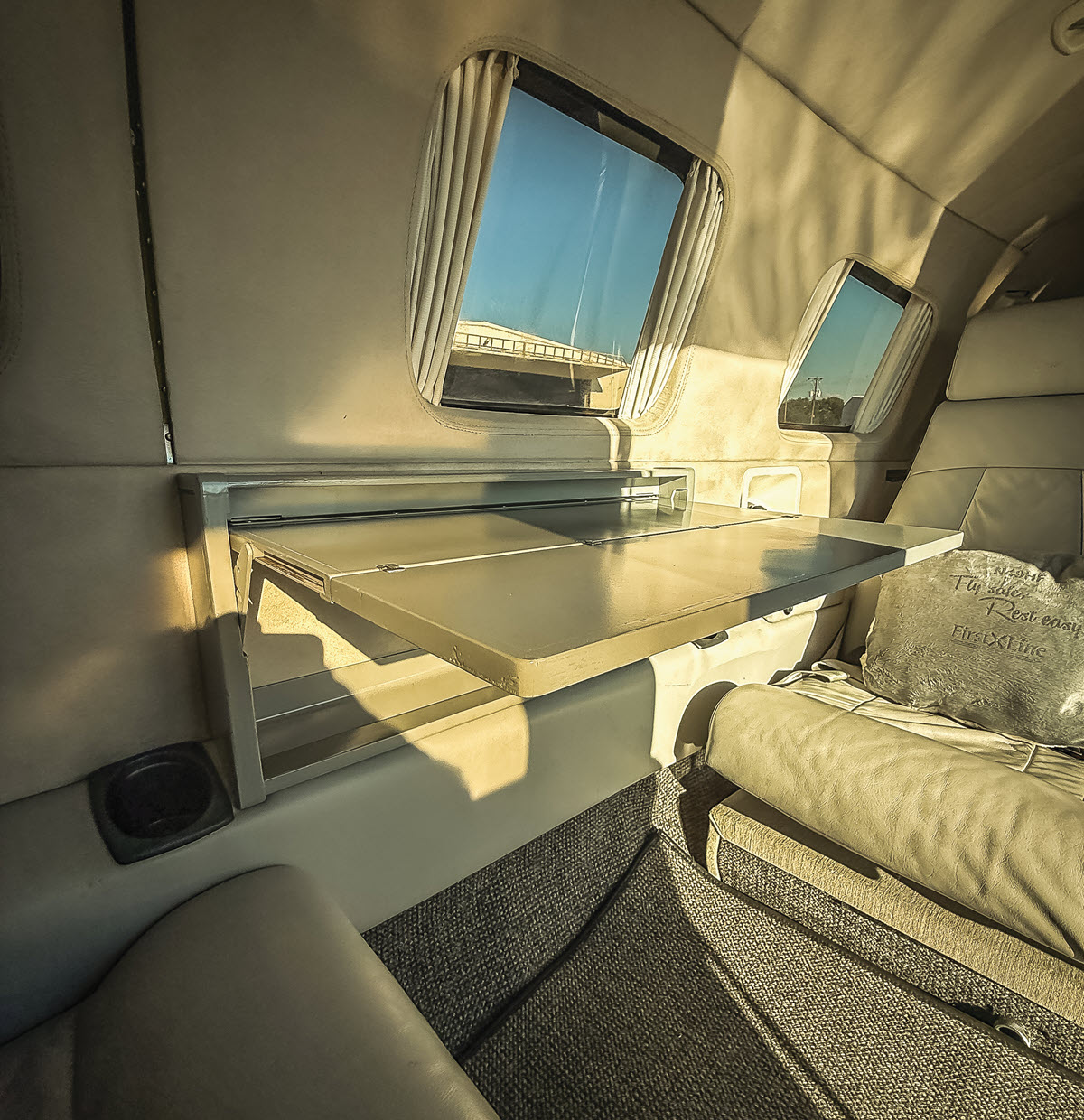
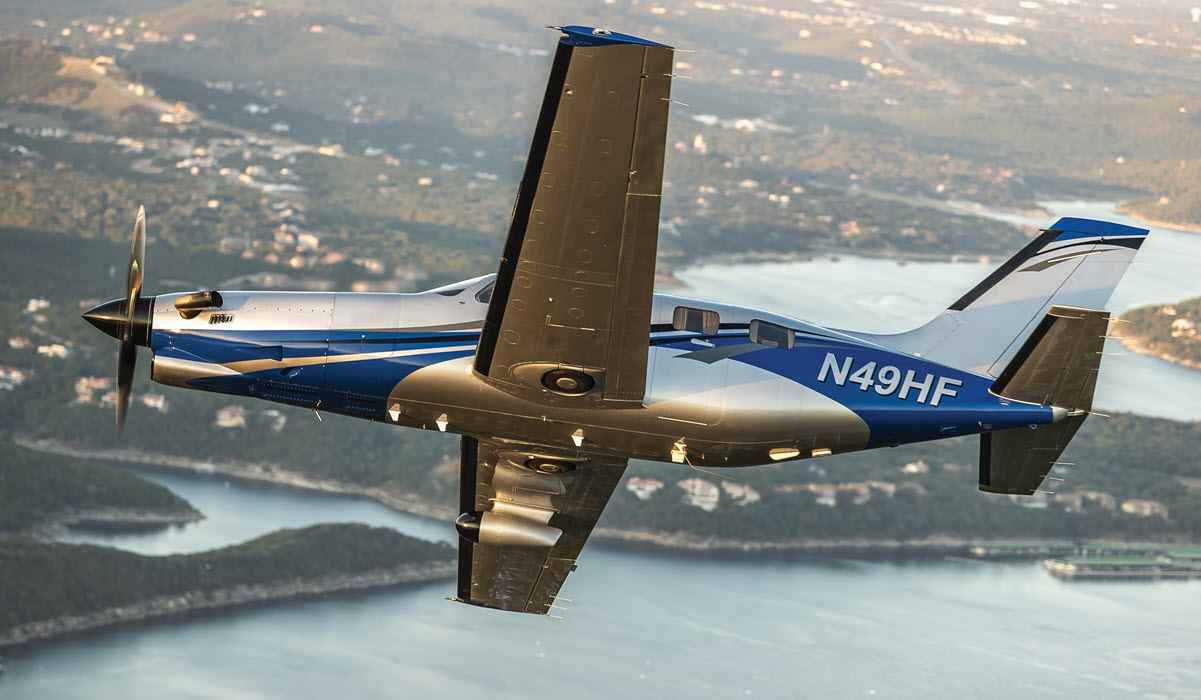
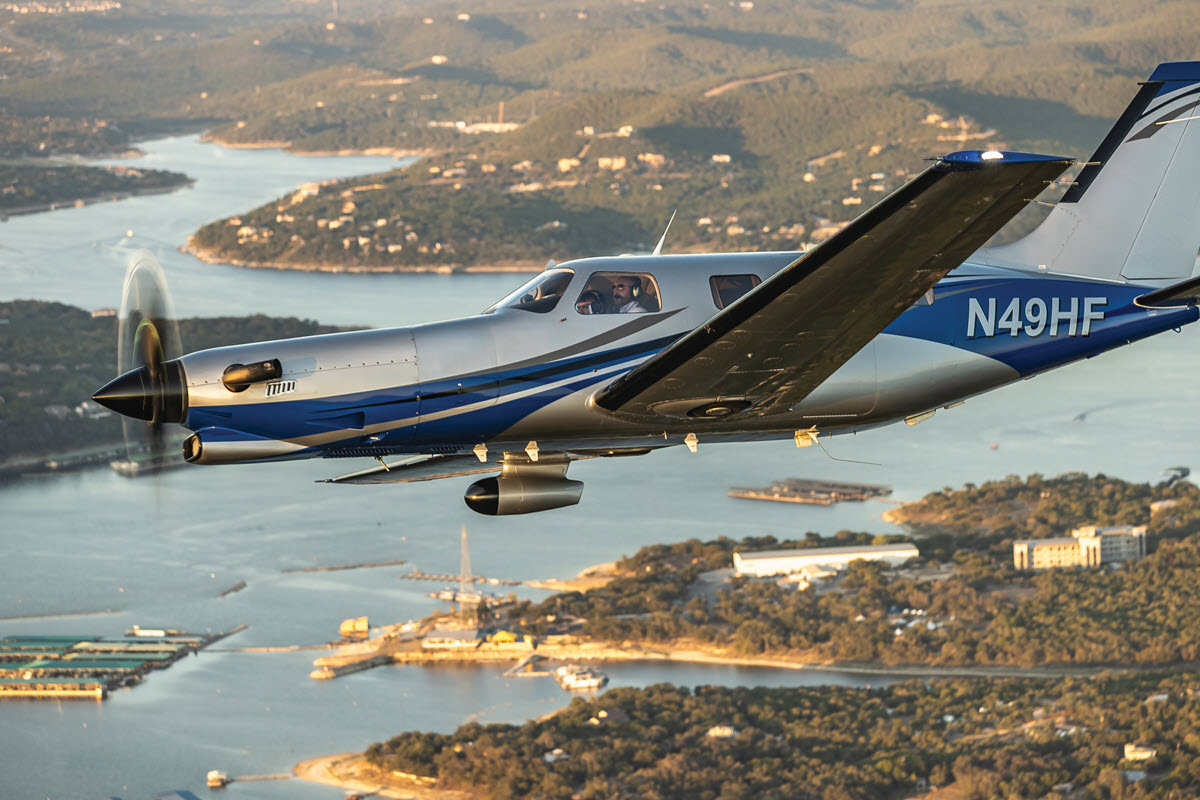
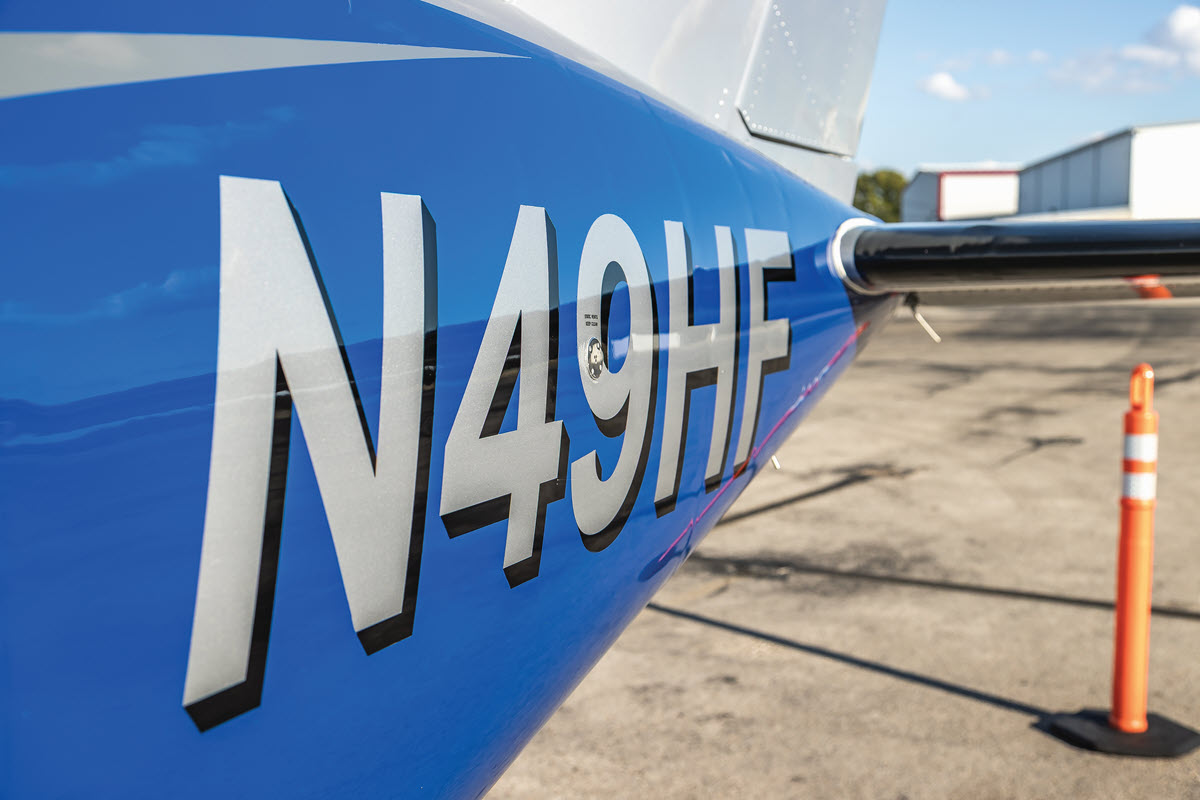
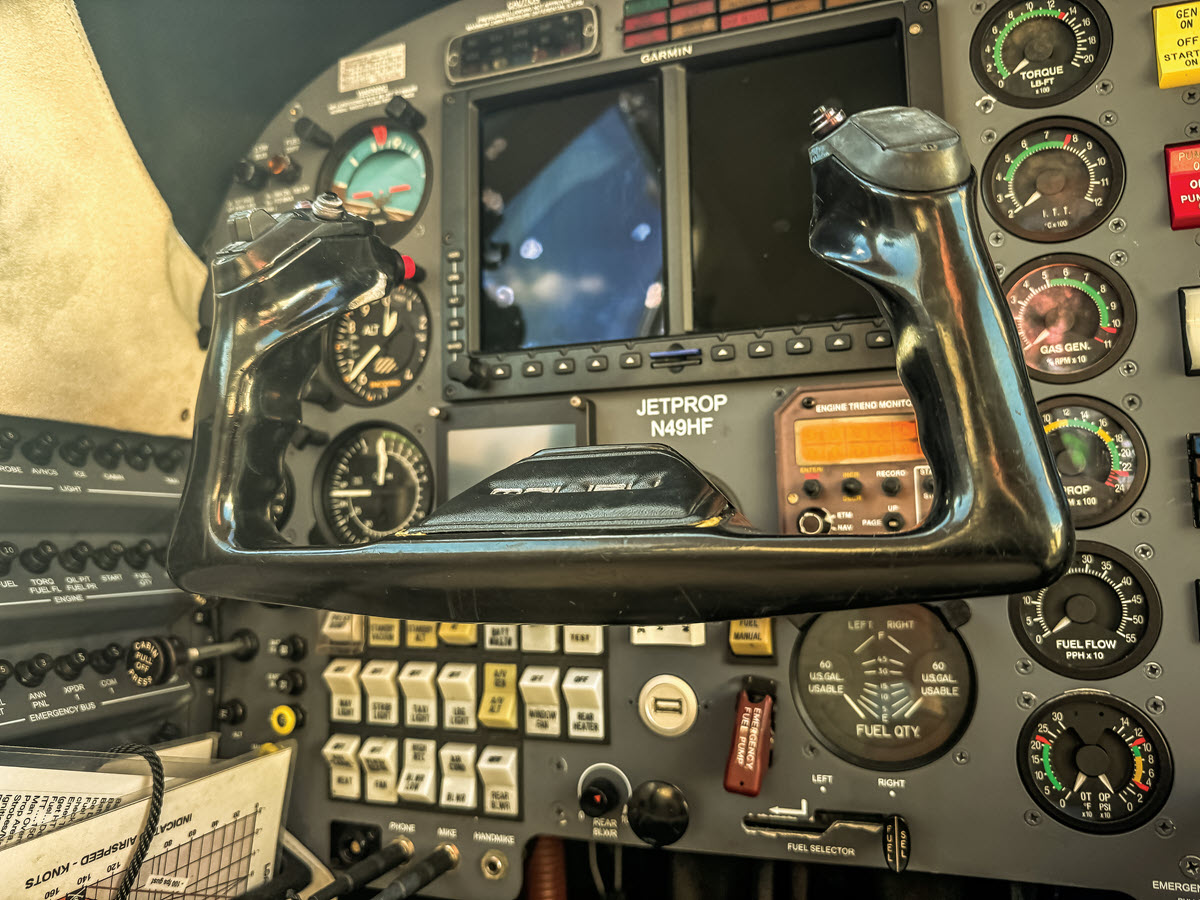
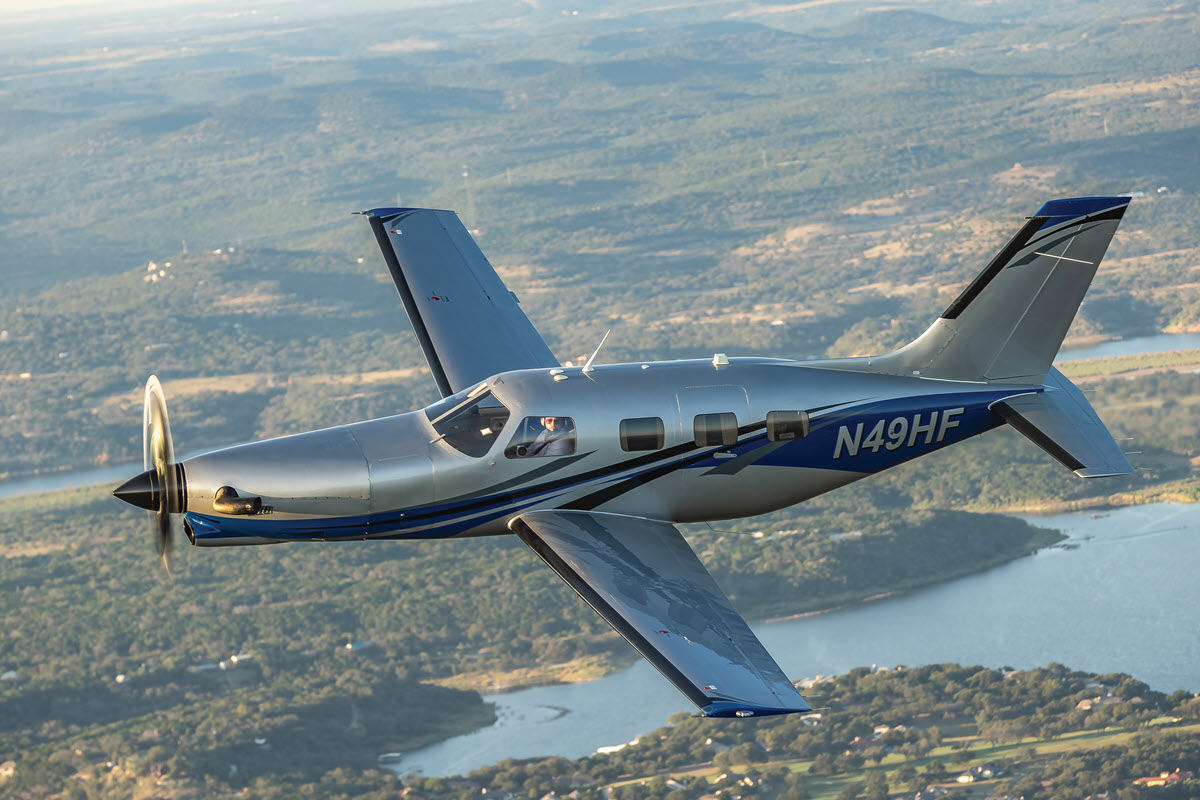
N49HF began its life in 1988 as a Piper Malibu. However, its previous owners converted it to a JetProp in 2001. Jason vacillated between the JetProp and a Meridian. Both were excellent options. Both had their share of pros and cons. In the end, he opted for the advantages the Jet Prop offered; better fuel efficiency and the control systems he preferred.
The Right Choice
For Jason, the Jet Prop was the right choice. He appreciates the reliability and flexibility the turbine engine offers. One place his family often flies to is Vail, Colorado. “Being able to fly non-stop from Texas to Eagle has been a great time-saver.” He just didn’t feel comfortable flying his Piper Arrow III into mountainous terrain.
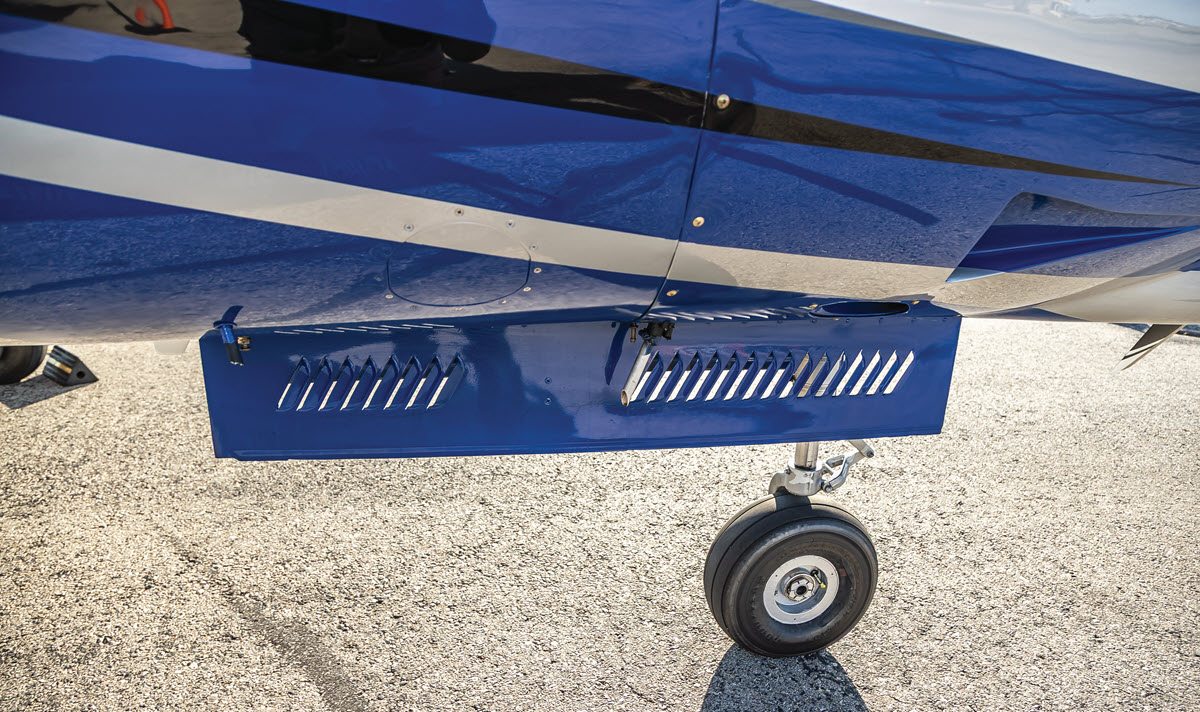
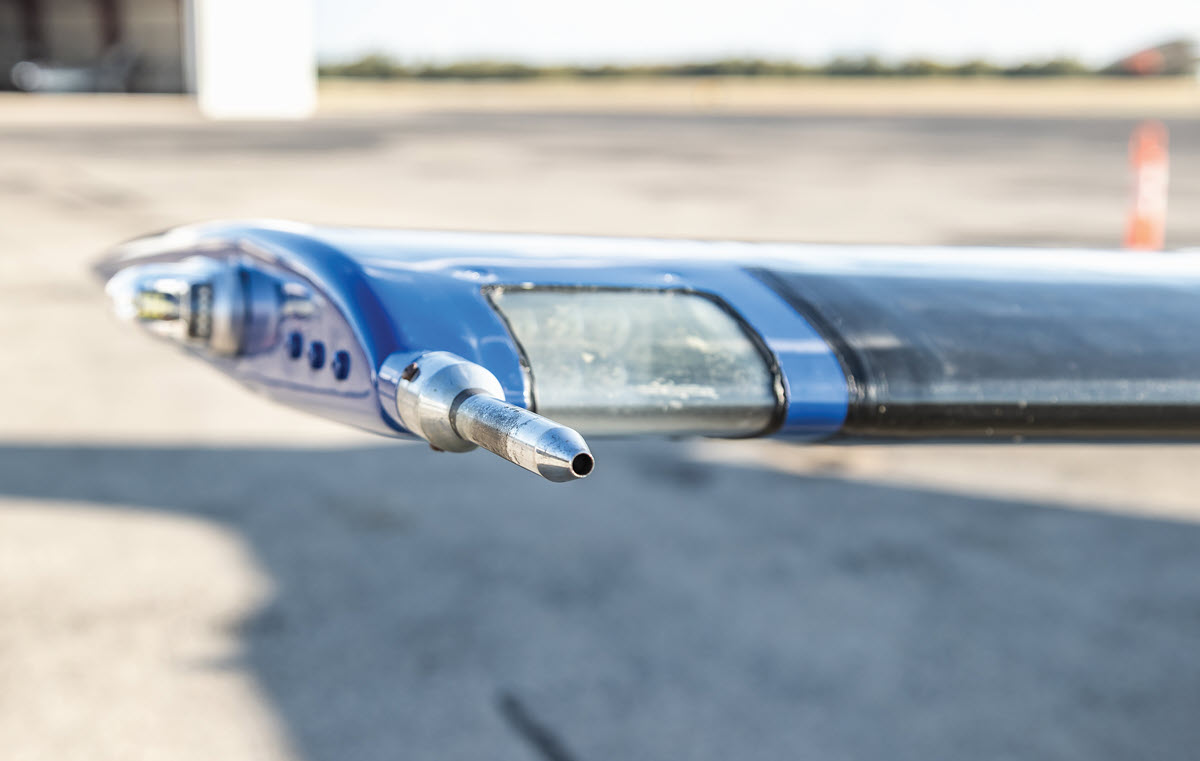
“Within reason,” Jason said, “it is an all-weather machine.” Given the amount of time he’s in the air, and in a variety of environments, this is a real plus. The aircraft is equipped to quickly reach flight levels for smoother rides and to fly in known icing conditions, meaning it can handle almost anything nature has in store.
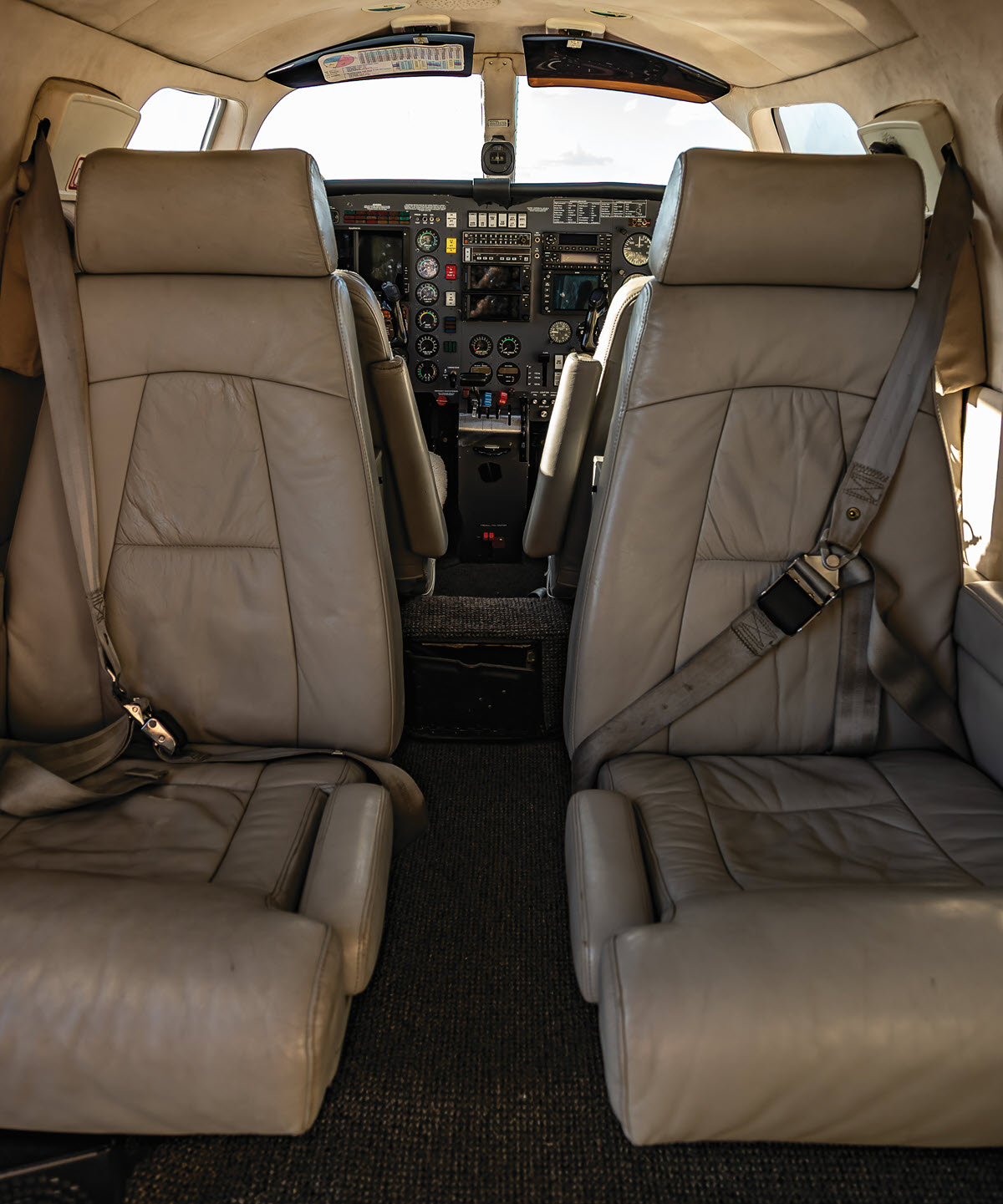
And there’s also the comfort factor. Although a modified Meridian would have offered a bit more useful load, Jason and his family find the Jet Prop offers ample storage and a very comfortable ride on their longer flights.
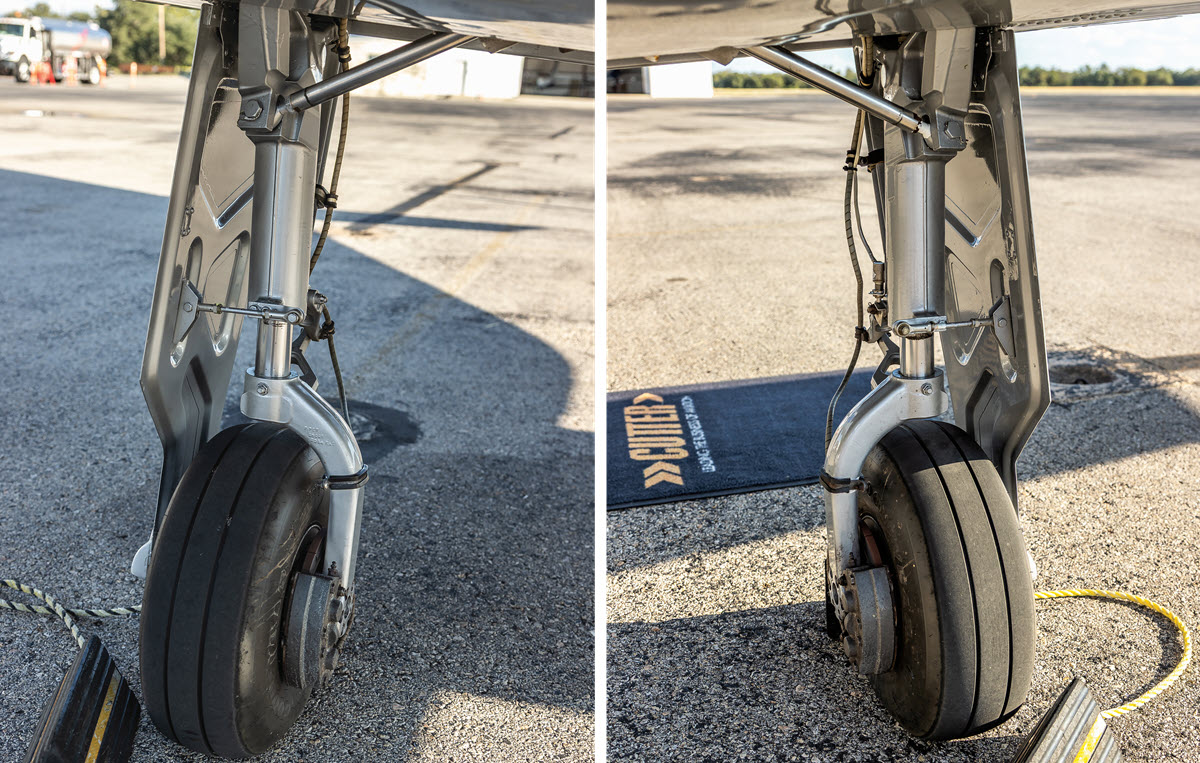
“The HF,” as Jason calls N49HF, was in sound mechanical condition when he purchased it. “In fact, I started the contract on it while it was in a very thorough annual at First Line Aero in Jacksonville, Texas.”
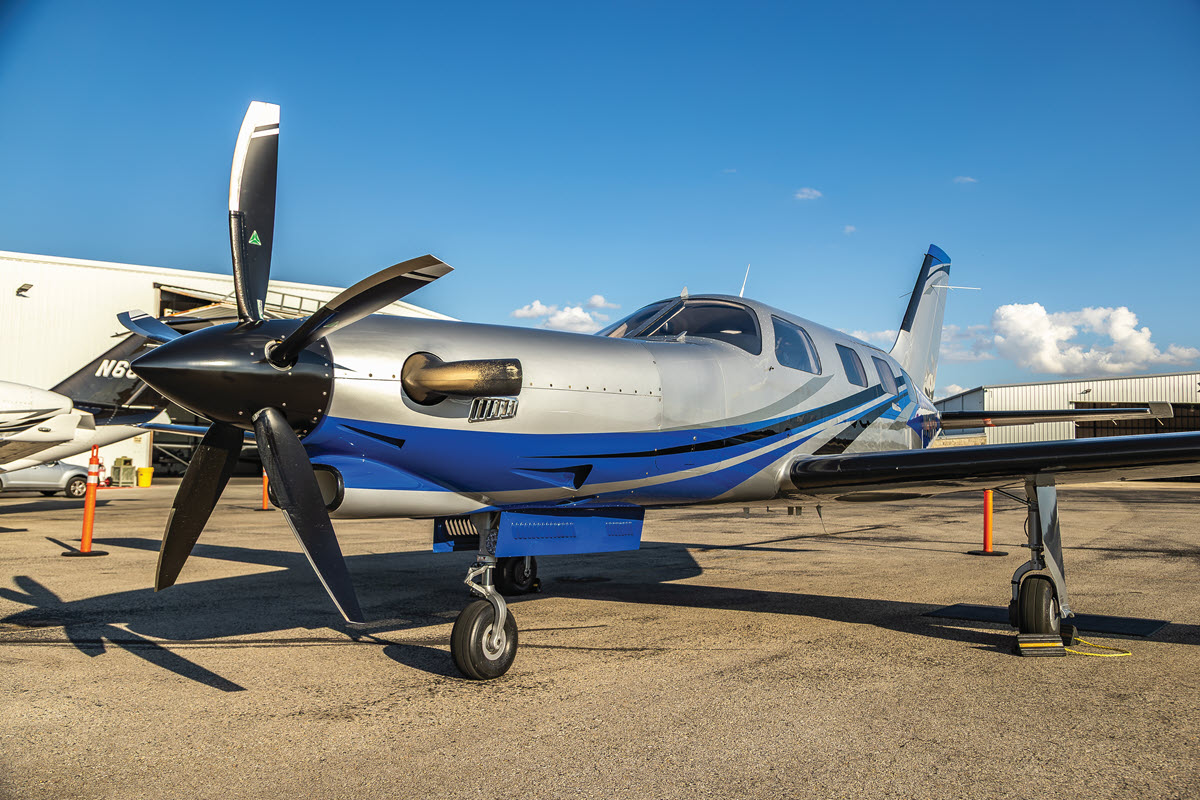
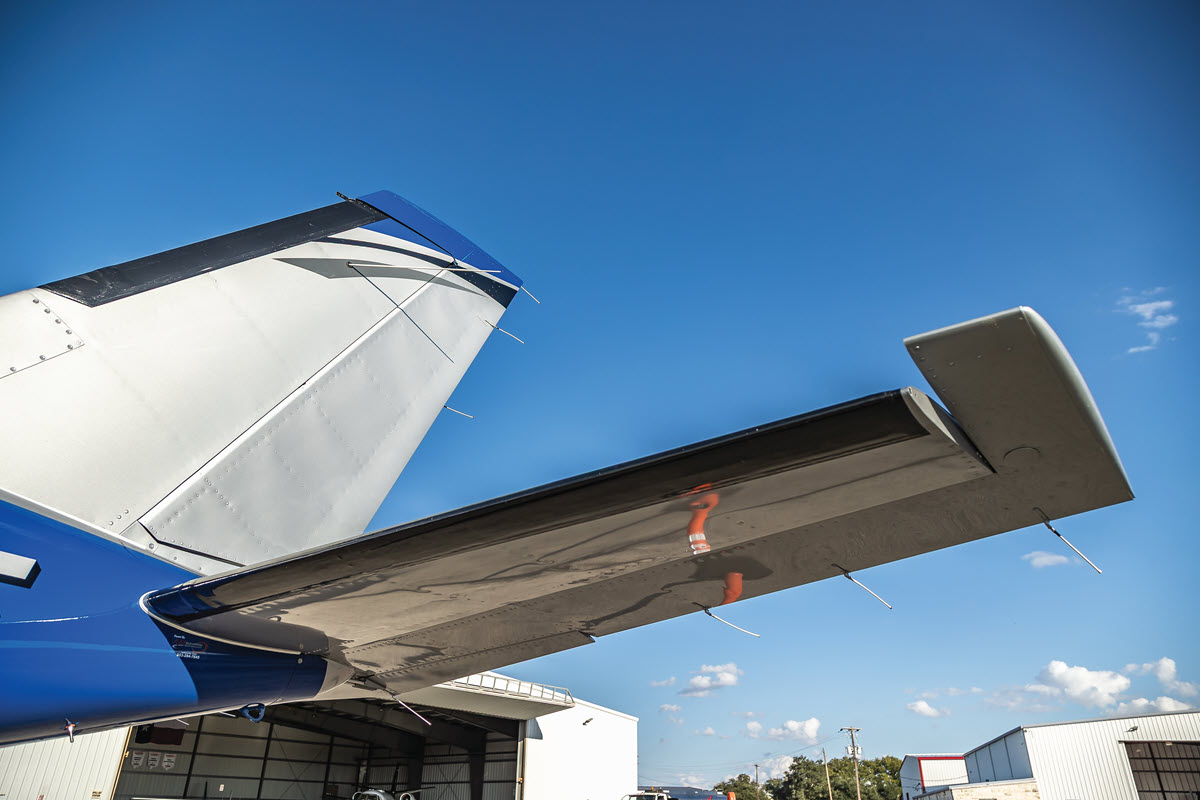
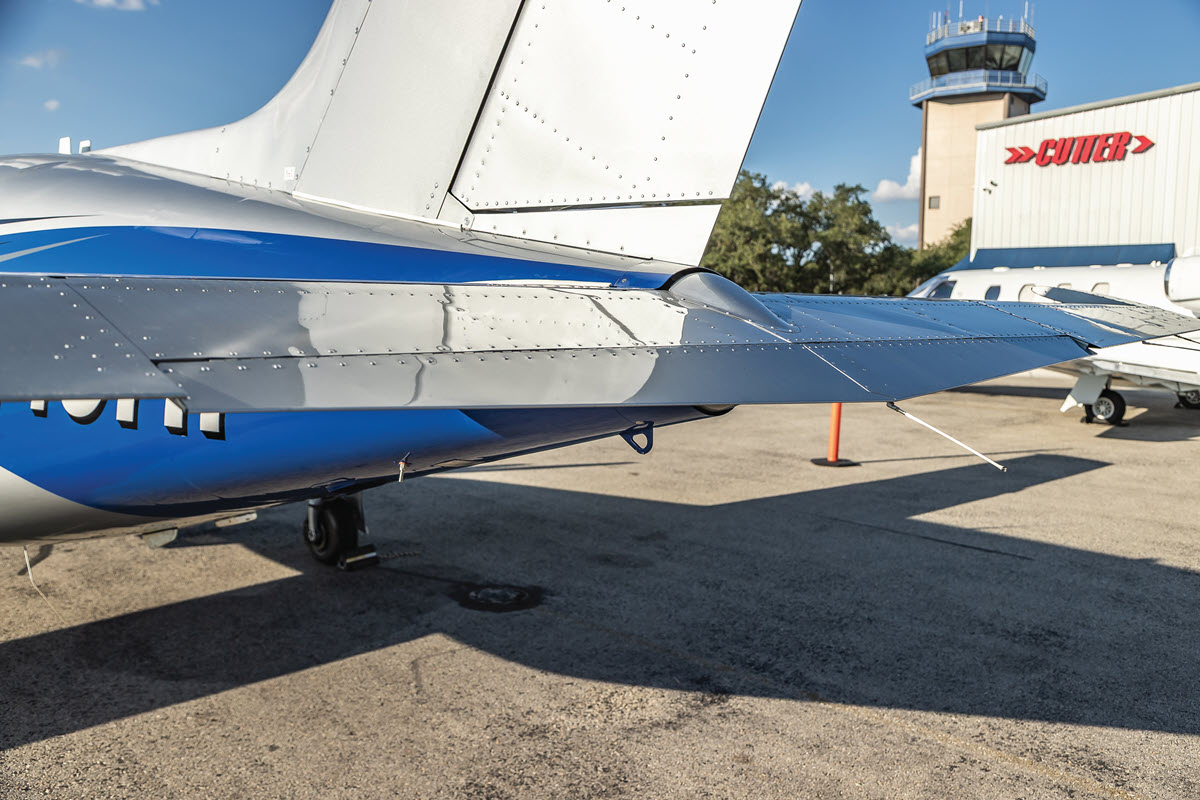
It did, however, need a new paint job. Although, according to the logs, it was repainted in 2001 at the time of the conversion, the paint was coming off in large chunks, leaving Jason wondering whether the prep work was done properly.
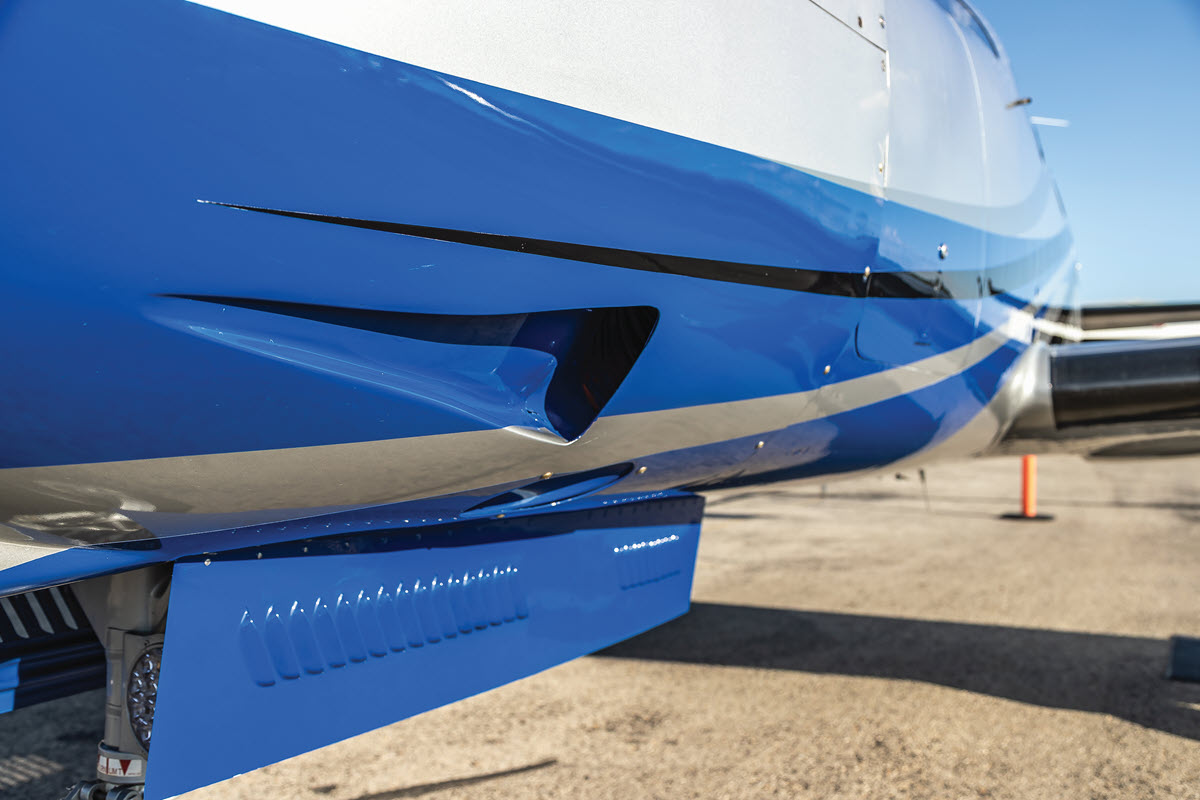
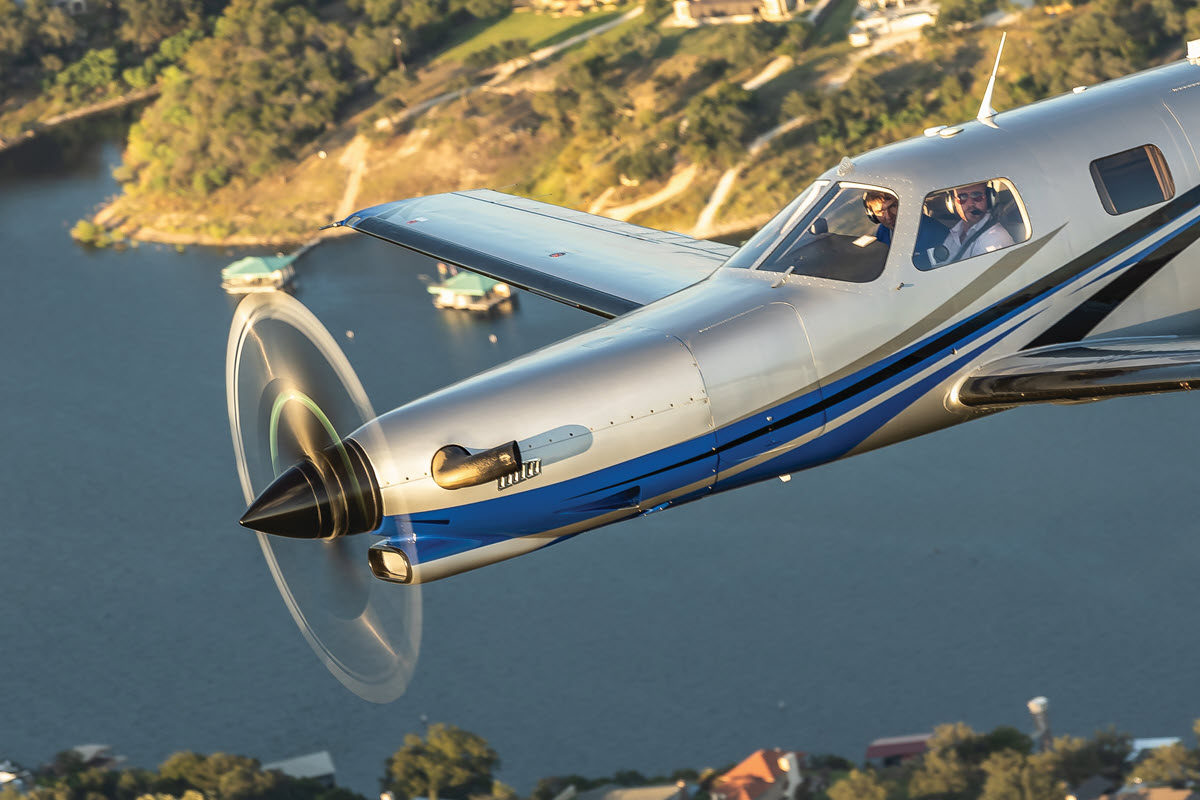
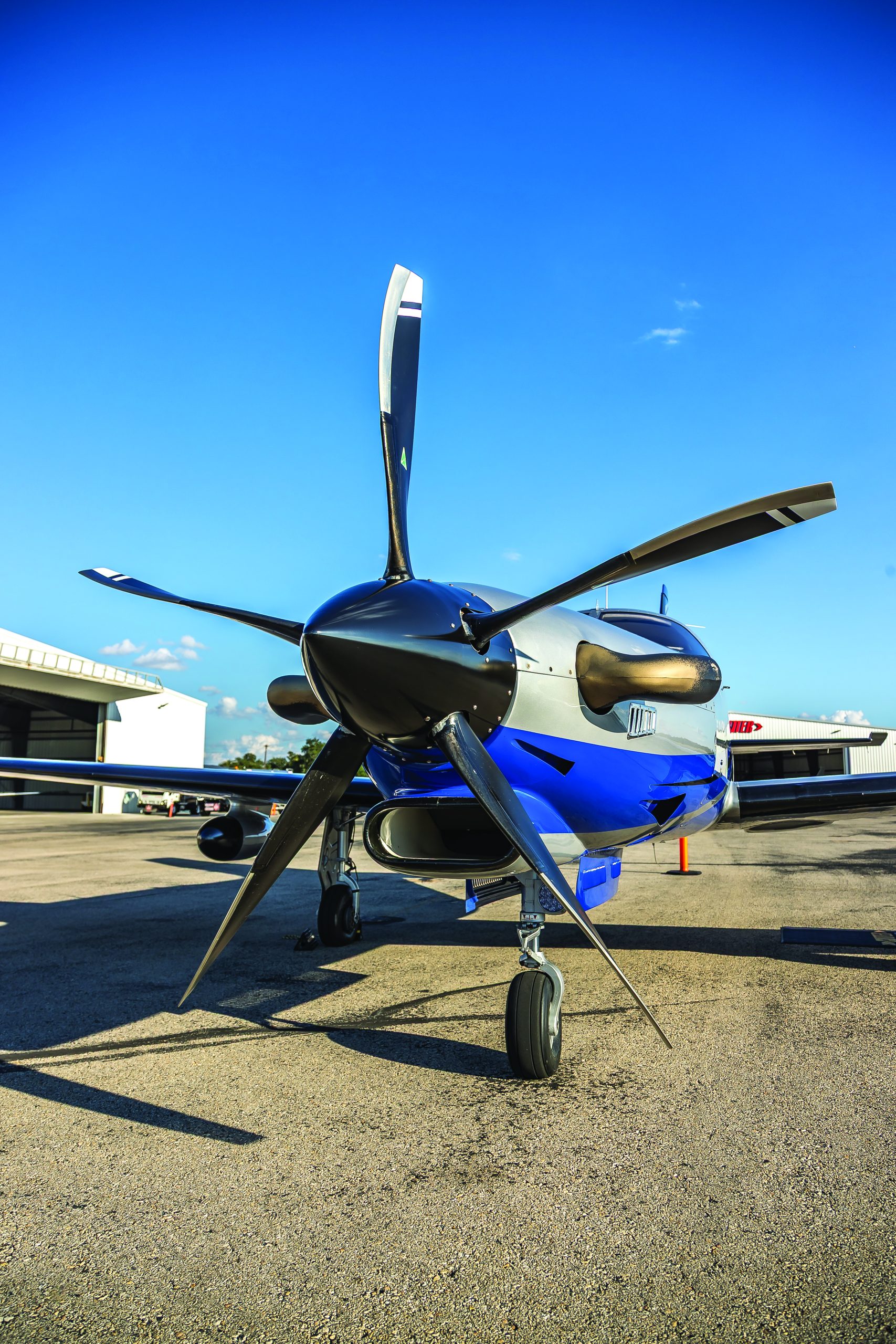
He’s very happy with the new paint job, other than the fact the matte black finish on the exhaust stacks didn’t take, because of the heat. He’s looking into another approach, hoping to give The HF a more modern look.
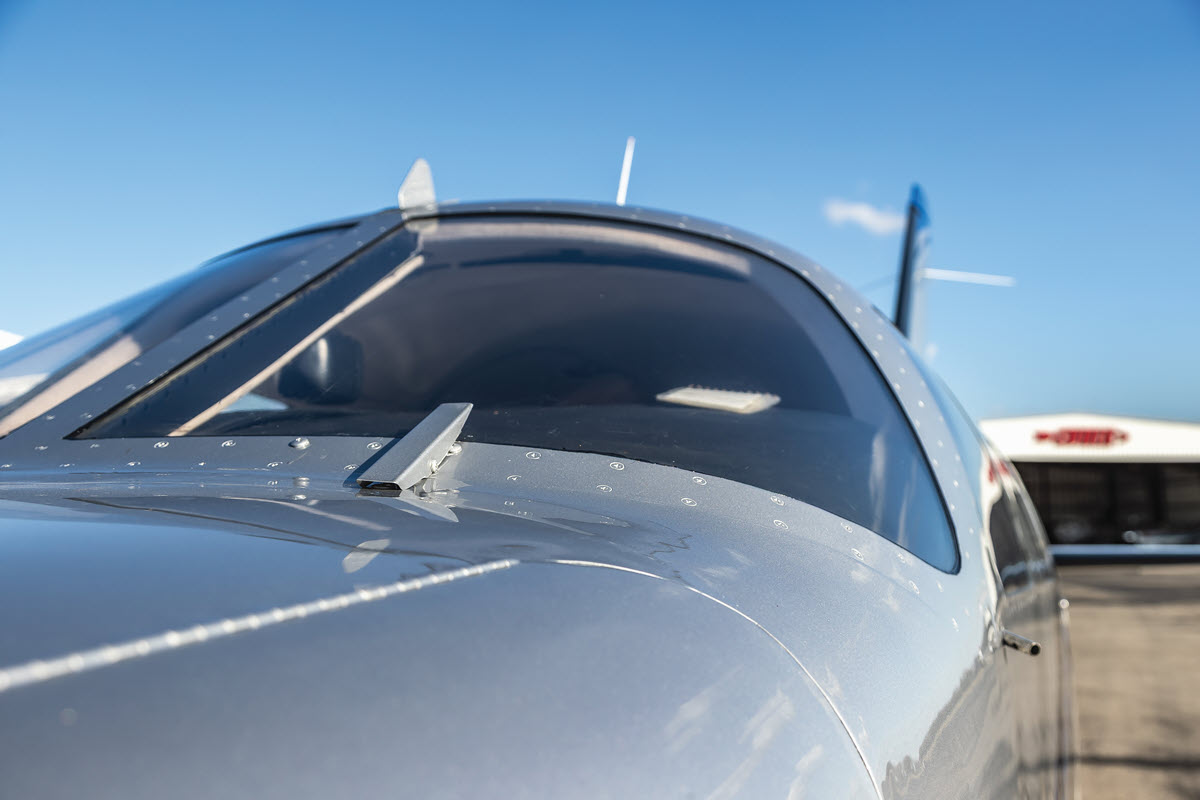
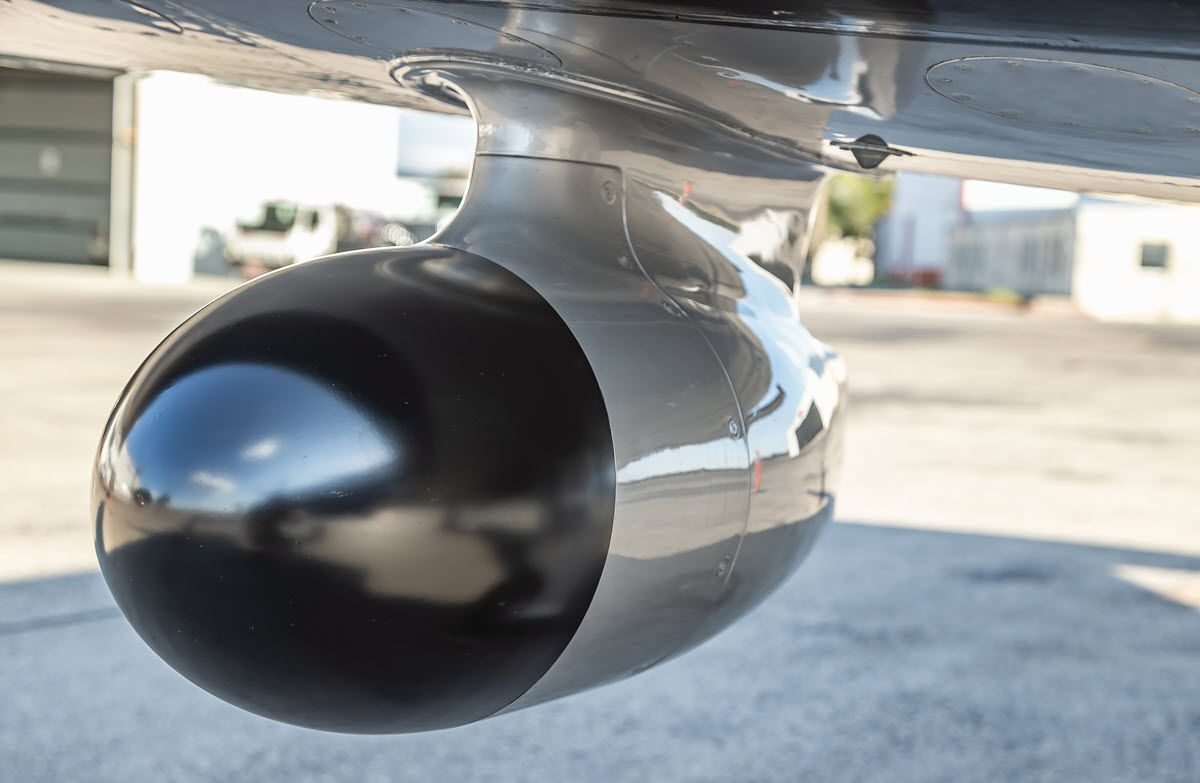
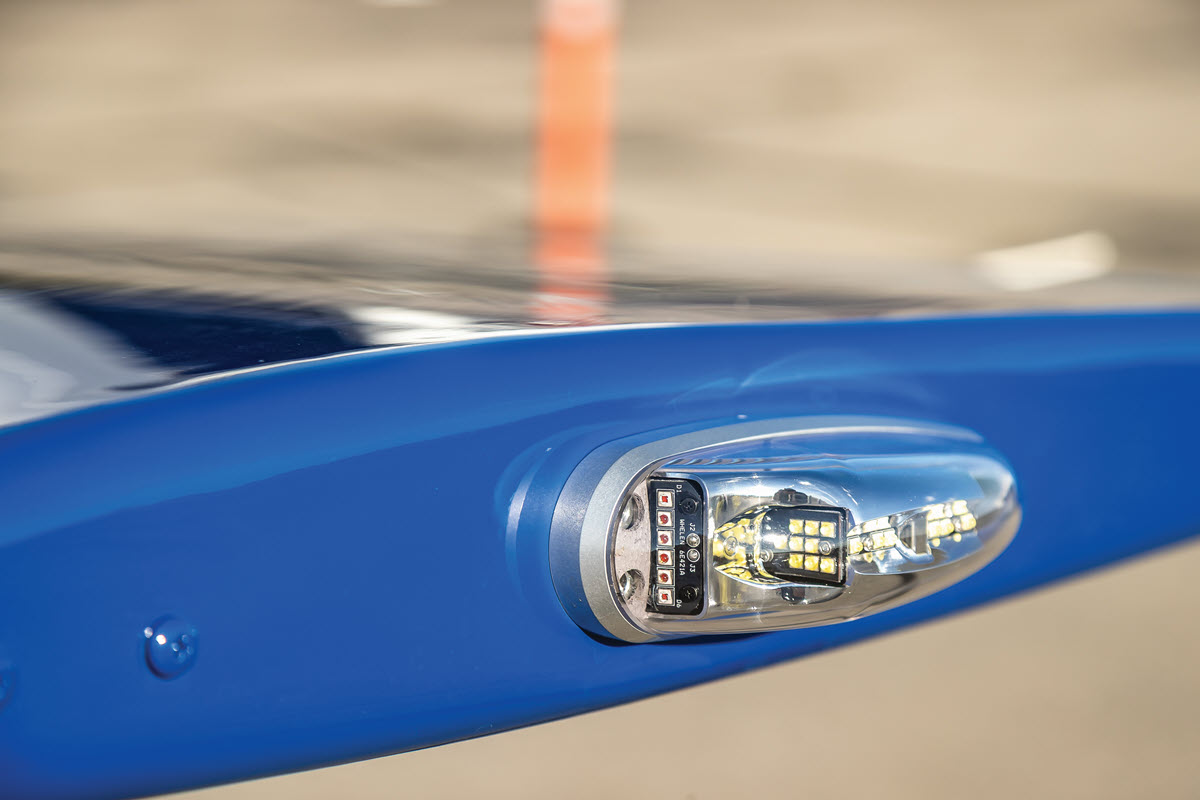
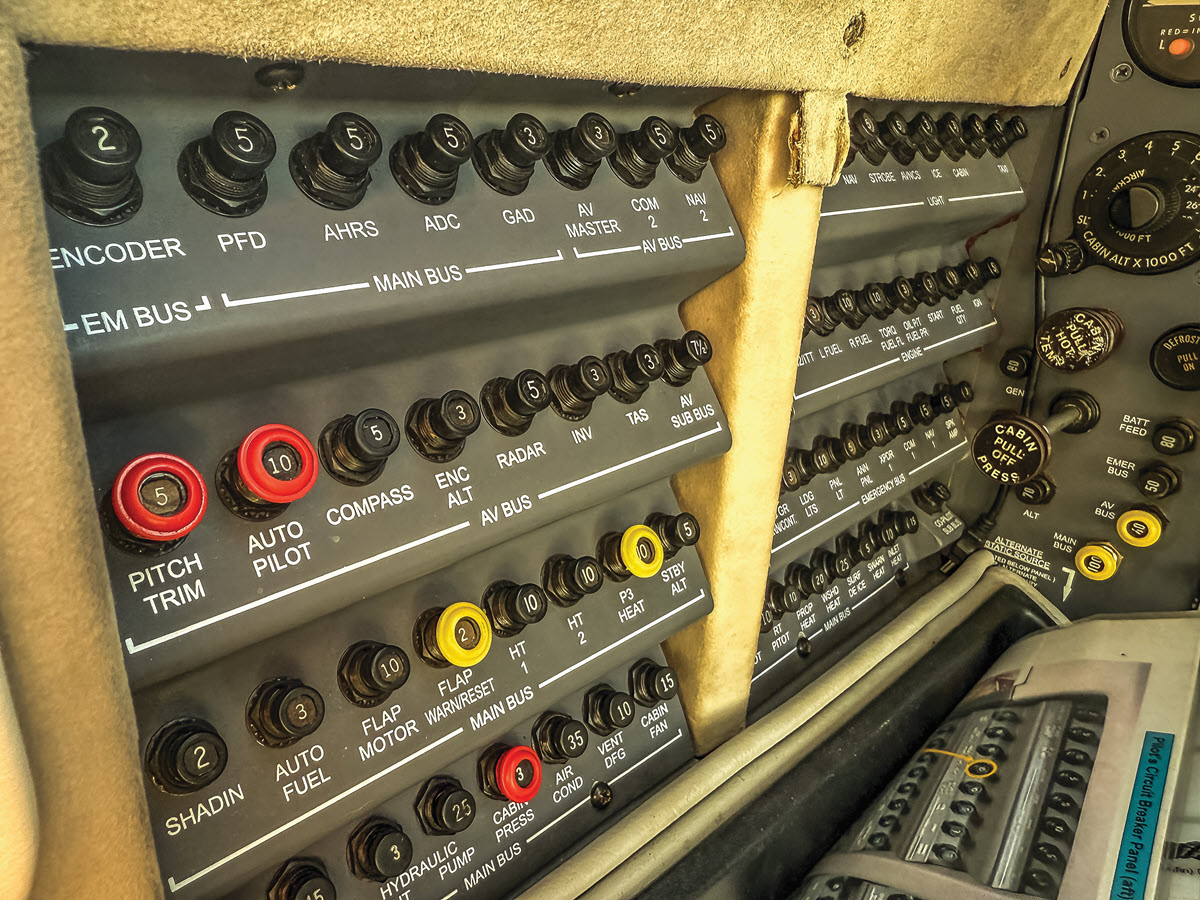
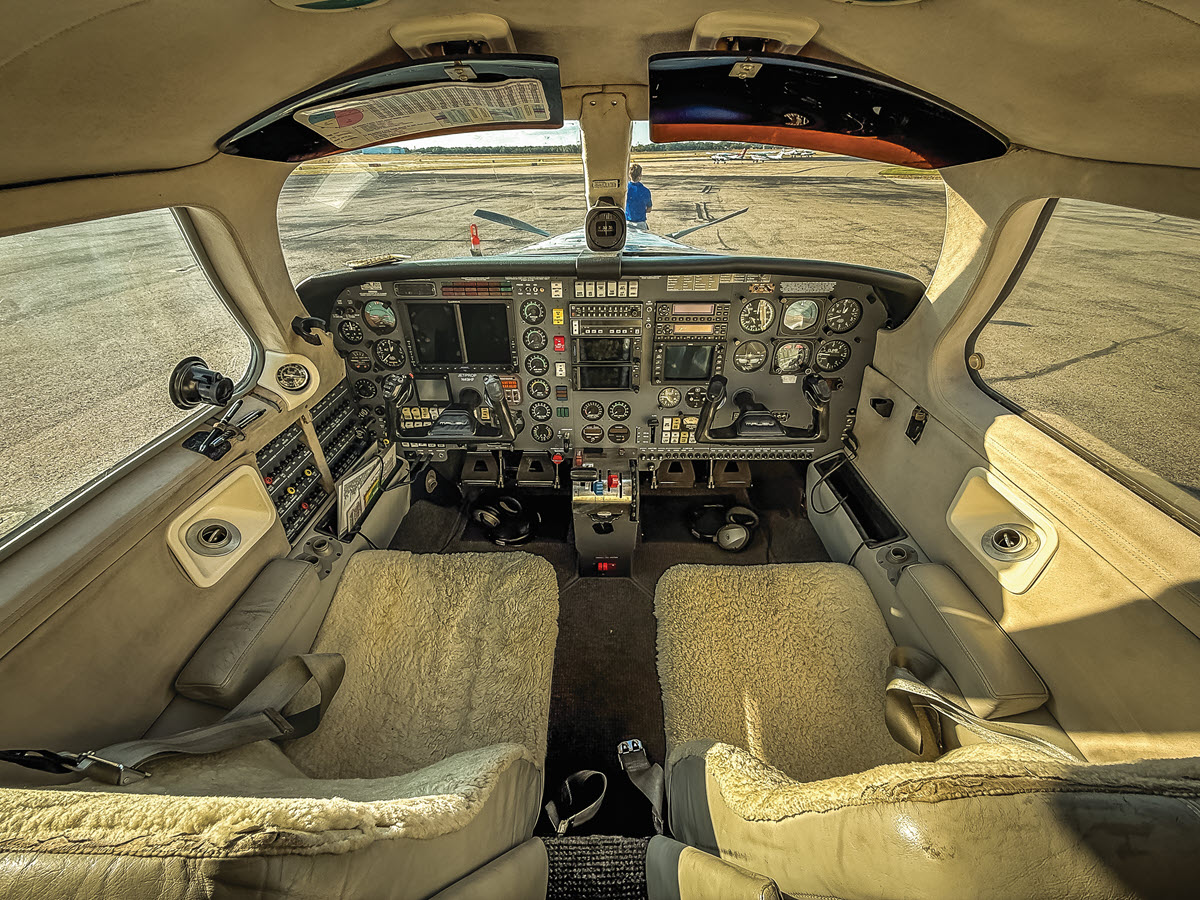
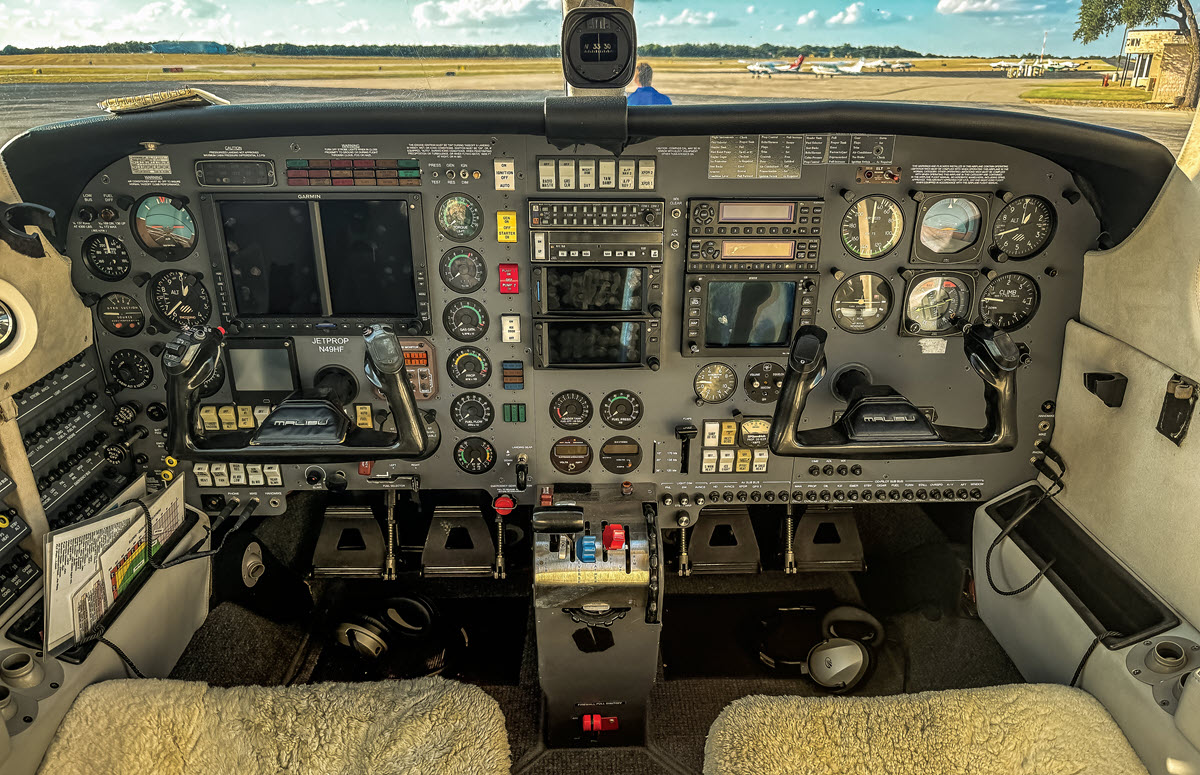
The only upgrade on the immediate horizon is to the avionics. Next year, Jason plans to install the G500TXI or G600 PED along with the GFC 600 autopilot and a GI275 backup. After that, he’s probably going to redo the interior.
Fortunately, the JetProp has not had any maintenance issues that needed to be tackled. And, even if there are some down the road, Jason doesn’t foresee it being a problem because his aircraft is partially supported by both Piper and JetProp.
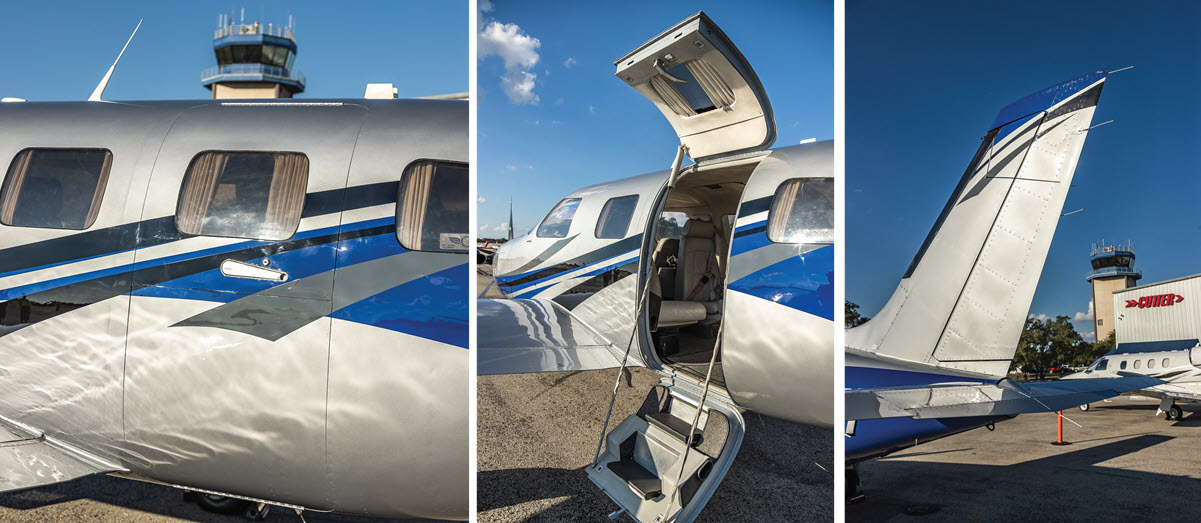
The only thing Jason would change, if he could, is the cost of insurance. With fuel costs (The HF typically burns 30-32 gallons per hour), hangar fees, insurance and maintenance expenses, Jason estimates the cost of flying his airplane is about $400 per hour. The payoff comes with the time he saves on both business and personal trips.
The Places It Has Been
Most airplanes will never have half as many adventures as N49HF has known in its lifetime.
The previous owners, who were from Germany, flew it around the world twice and took it on a tour of Africa. Jason took his first international flight this year when he and his oldest son flew to the northern reaches of Canada for a fishing trip, one of his favorite ventures thus far. While the trips to Vail alone are great outings, there’s no doubt many noteworthy trips and memorable moments are yet to be made.

The JetProp DLX Conversion
From its inception, the Piper Malibu was equipped with a pressurized cabin and designed to perform well at high altitudes. However, with a single 310-350 hp piston engine (depending on the year), some pilots find the process of getting to altitude a bit trying.
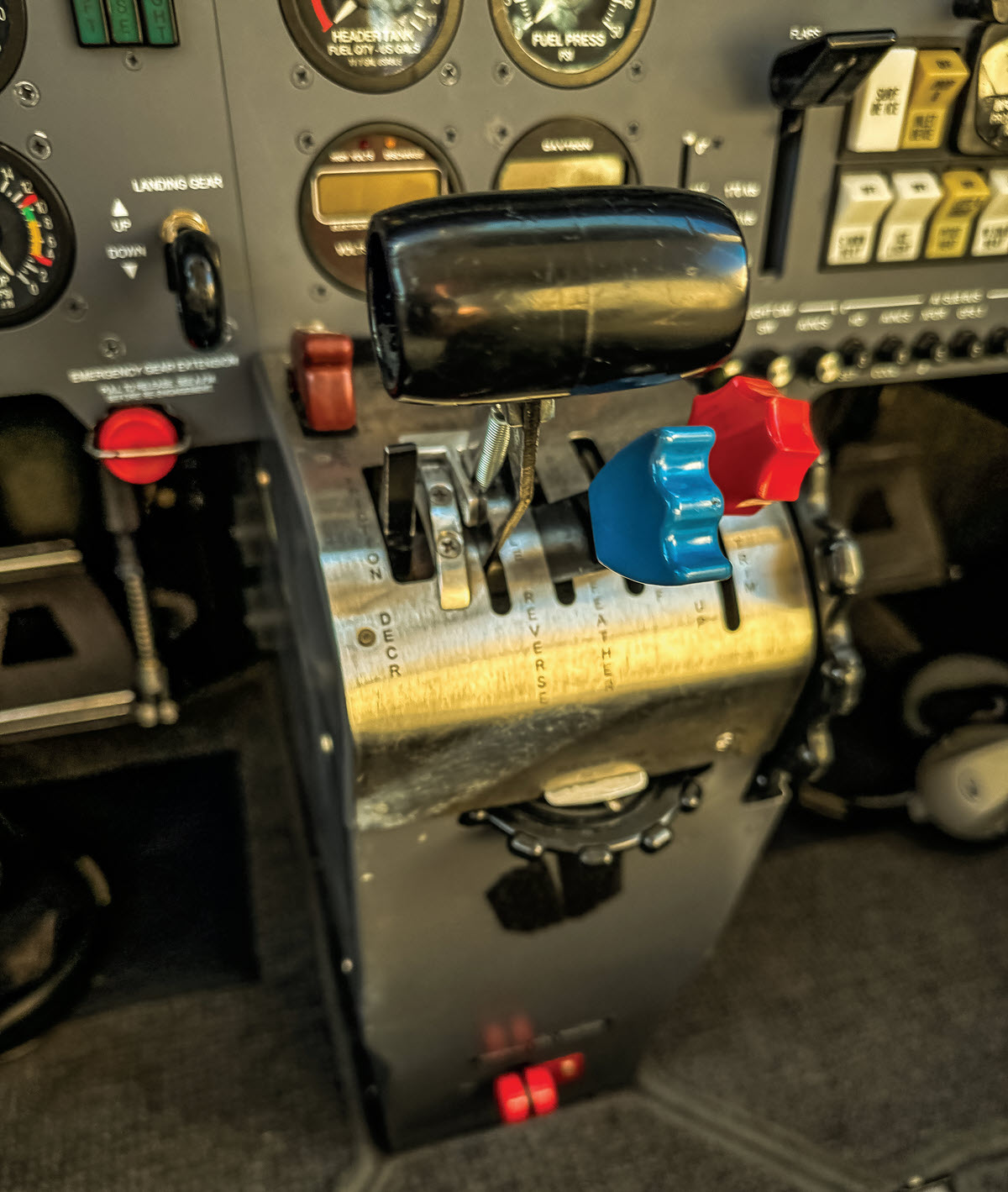
This is what JetProp was addressing when it introduced a conversion to give the aircraft a boost by replacing the original piston engine with a turbine. The DLX in the title is the Roman numeral 560, the shaft horsepower created by the Pratt & Whitney PT6a-35 engine used in the conversion. The Malibu’s somewhat sluggish liftoff is transformed into a 2,500 feet per minute climb, making it ideal for pilots to reach and fly at the altitude where it performs best, even on shorter trips.
The downside of this conversion is the airplane can’t carry as much weight because the more powerful motor demands more fuel. When filled to capacity at 151 gallons, the fuel alone weighs more than 1,000 pounds.
It’s no wonder this is a popular option among pilots looking to fly farther, higher, and in more inclement weather. It’s ideal both as a business aircraft and a family airplane.