The Ins and Outs of Flying and Insuring a Tailwheel
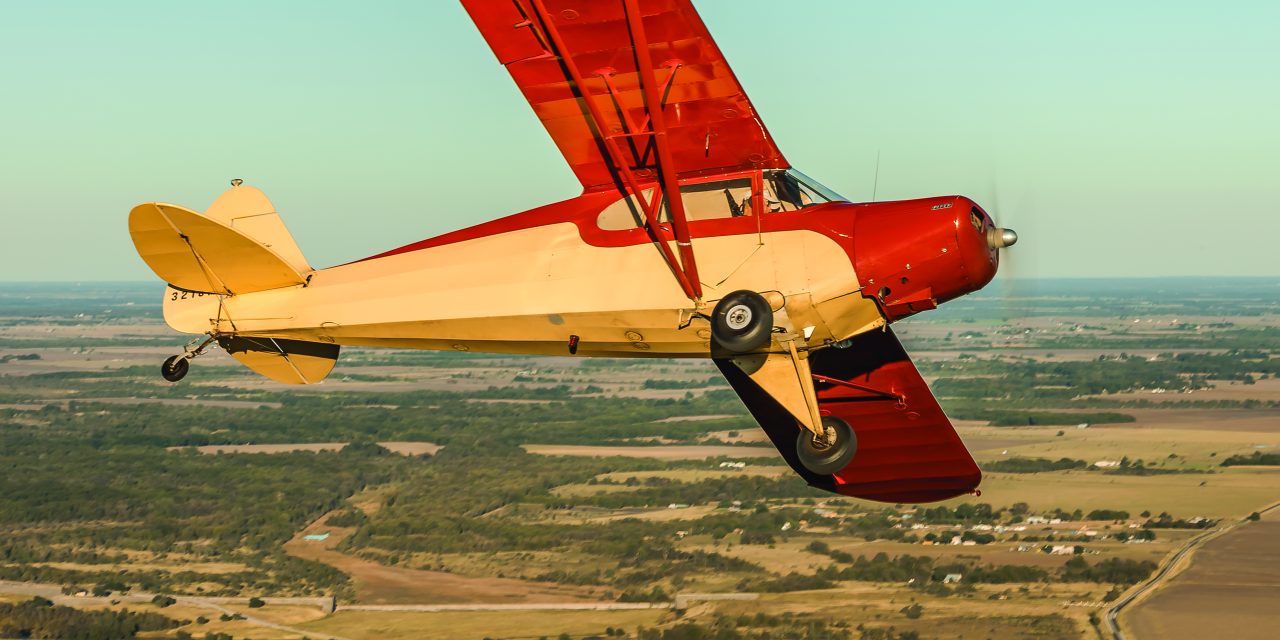
Photos by Jack Fleetwood (www.JackFleetwood.com), Dewey Elsik’s PA-12.
Back in the ’70s, I was learning to fly in a Cessna 150, an aircraft that probably most of the other students around the country were flying. It was a fun and economical trainer, as economical as it could be, and that matters when you are still in high school.
But in the world of aviation, bigger and faster is better, or at least that’s what a student (me) might think. And as a student I was always hoping to get into both a retractable gear and a tailwheel aircraft. And the more I think about it, back in the ’70s a tailwheel aircraft was (and maybe still) is a “real” airplane.
Learning to Fly a Tailwheel
I can remember years ago that many a pilot told me that if you really wanted to learn to fly, fly a tailwheel aircraft, the conventional-gear aircraft of the old days. Flying a tailwheel means you fly it all the way until it’s tied down or put in the hangar. OK, that might sound a bit extreme, but I think it works. In a way it is no different than flying any other aircraft; the idea is to not get lackadaisical until the plane is safe and secure. It just seems that the tailwheel has a reputation for getting away from people when they least expect it.
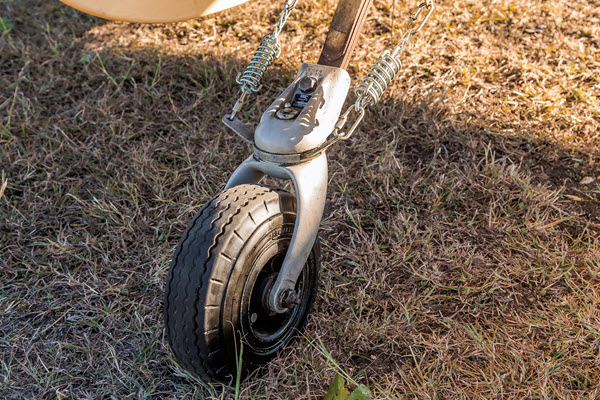
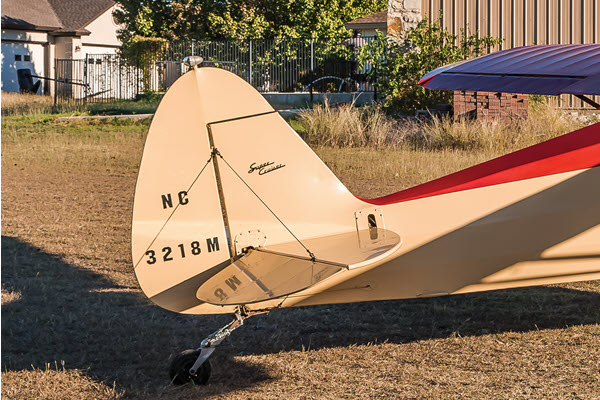
When my brother bought a Stinson 108, I could not wait for the chance to start training for my tailwheel endorsement. It was fun, exciting, and sometimes nerve-racking for my CFI. I remember one takeoff where the plane was slowly turning in a direction opposite of the runway. Everything I did was not helping. When the CFI took over, I thought it was too far gone. Looking back now, boy my brother would have been unhappy.
The CFI, through his piloting skill, was able to make a very short takeoff-in-ground effect and continue a flight in more of a general direction of the runway. After the lesson, we discussed the problem which apparently stemmed from me dragging one of the brakes and the CFI not having any brake pedals on his side of the aircraft.
Through the years I have added a few more hours of tailwheel time to my logbook. My last tailwheel aircraft was the Smith Miniplane, 17 feet of non-electric, sport flying fun. All my tailwheel hours helped me fly the Smith, but it still wasn’t enough to keep me comfortable. Takeoffs and flying were great. Landings always made me nervous. I could fly the Cessna 172 in almost any weather, but the Smith was restricted to good days with the wind in the right direction.
Tailwheels Require Practice
The problem? Practice. I believe that if you are going to fly a tailwheel aircraft, you need to be committed to practicing in all type of weather, at all type of airports, and never stop flying until it’s tied down.
I have known and insured pilots, private and airshow, that have been able to make a tailwheel high-performance aircraft look like they are flying a Cessna 150. Experience is important.
“How do you get tailwheel experience? Fly more?”
I do need to clarify that in our business, adding on cross-country hours is helpful, but in a tailwheel, aircraft takeoffs and landings are probably more important.
On a side note, even though most of the conventional aircraft flying are tri-gear aircraft, conventional gear does NOT mean tri-gear. Conventional gear means tailwheel.
Things to consider if transitioning to a tailwheel aircraft
- Do you need insurance?
- What type of aircraft (four seats or less, certified, or experimental)?
- Your age
- Your total time
- Your tailwheel hours
- Any make and model hours?
- Training plan. Do you have a qualified instructor?
- How much money do you have in your checkbook for insurance?
Tailwheels and Insurance
The recent aircraft insurance market has been seeing premium increases on tailwheel aircraft (along with retractable gear and experimental). There have also been changes in the underwriting of tailwheel aircraft, making it harder for low-time or older pilots to transition into a tailwheel. And on top of that, the type of tailwheel aircraft is critical.
So, what’s a person to do?
Well first, let’s talk about the pilot. If you are a low-time pilot and over the age of 69 years, you will probably have difficulty transitioning into a tailwheel aircraft. Transitioning is not having experience in the type of plane, in this case a tailwheel.
What are the minimums? It varies by insurance company and type of aircraft. If you want to get insured in a Piper J3 Cub or Cessna 120/140 and you are a low-time pilot, you will probably need to have about 150-200 hours total time before they will consider you. A few companies will not quote a pilot with zero hours of tailwheel even if they have a couple hundred hours of total time.
Students and Low-Time Pilots
What about a student pilot? Yes, you can be a student pilot and get a quote, but you won’t have many options and the price will not be cheap. There are only a couple companies that will entertain a student pilot in a tailwheel aircraft. The type of aircraft will be a major part of that decision. And remember, “cheap” is only relevant to the person who is paying. My “cheap” isn’t the same as your “cheap.”
Similarly, low-time pilots have a challenge related to getting tailwheel insurance. When I am talking about low time, it’s more from the view of the underwriters. Many people think that 100 hours is a low total time pilot, but in reality, depending on the aircraft, 1,000 hours could be low time. But talking about the average certified two- or four-seat tailwheel aircraft, 500 hours is more likely the average low-time pilot. One hundred hours would be a really low-time pilot, basically still a “beginner.” That is not meant as a negative, it’s just a way to try and explain that the underwriters are looking at when it comes to hours.
Consider if you are 65 years old and have been flying for 30 years and have 200 hours total time in your logbook, that will
influence how the underwriters look at you and your flying activity. Maybe you took a time out from flying for 25 years. But even if you did, the low total time will put you in a different category than a pilot who has thousands of hours over the last 30 years. What I’m getting at is do not take it personally; just accept the fact that your hours will have an impact on what aircraft you can get insured in. And remember, none of this really matters if you don’t buy insurance.
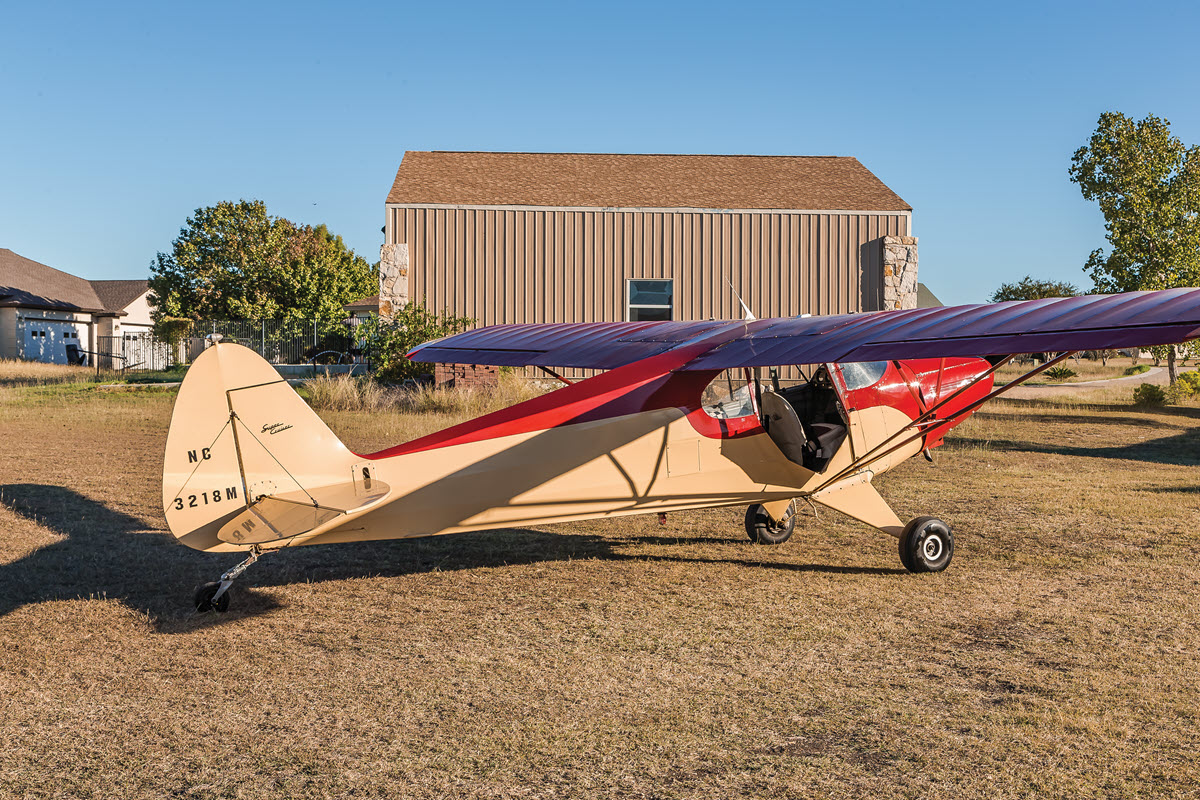
‘I don’t need no stinking training!’
Yes, you do! Even if you have a lot of tailwheel time and you don’t have any hours in the make and model, you will be required to get training. It might be as simple as a checkout or a few hours dual. The underwriters will also want you to have the “tailwheel endorsement” in your logbook.
Typically, if you don’t have any tailwheel time, the underwriters will look for about 10-15 hours of dual, prior to solo, and then about 10 hours of solo prior to carrying any passengers. The goal is to get you to about 25 hours total in the make and model of aircraft before you carry around your friends and family.
Does 25 hours make you qualified? Probably not. But it is a great time to start learning.
So how much will insurance cost?
Who knows? Liability only starts at about $500 and goes up from there. As always, it depends on the aircraft, number of seats, value, and pilot experience. But it will always be higher priced than a tri-gear version of the same aircraft (or similar), for example a Cessna 172 versus a Cessna 170, or Piper Pacer versus a Piper Tri Pacer. The tailwheel version will be higher premium no matter how many hours you have, just because it is a tailwheel aircraft.
And finally, remember that “conventional gear” means tailwheel aircraft.