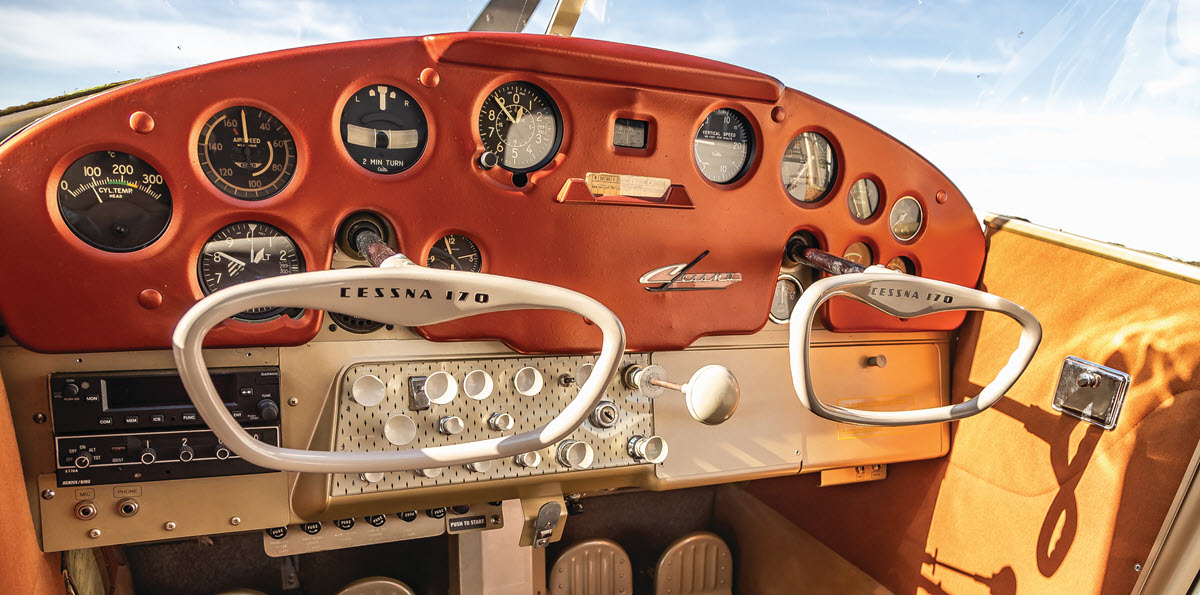
A year back, we discussed the basic avionics you should have for VFR flight. We talked about equipping a basic aircraft for VFR where the pilot flies only local and I introduced the concept of Hard VFR. This describes the pilot who is comfortable traveling far beyond local areas with only a VFR rating, where weather avoidance, good navigation skills, and a better-equipped panel are required. Flying in weather requires a different perspective, a higher skill level, and an airplane equipped for the IFR mission which, through my articles, I have tried to define as Light IFR or True IFR. I have found some pilots and some avionics shops that reject the concept of Light IFR. They think that all IFR is True IFR and every airplane being flown by a pilot with an IFR rating should be equipped with the best. I think this mentality from avionics shops left many pilots struggling to get the help they needed when they rejected a quote for the “best” equipment; at least that’s what I observed while on the front lines of avionics sales. That was my motivation for creating AvionixHelp.com. So, let’s talk about equipping for the IFR mission that meets your skills and your budget!
Light IFR
I think the majority of IFR pilots, especially those flying legacy aircraft fall into this category. In my opinion, every pilot recognizes that getting an instrument ticket will make them a better pilot, and that is certainly true. But these pilots don’t see themselves spending a lot of time in the clouds nor do they see themselves doing approaches to minimums, especially in the middle of weather. In addition to improved skills, they seek the capability to get above the weather (while heading towards better weather), and to be able to head home when a morning marine layer or fog would otherwise ground them with only a VFR rating. I’ve spent the last 12 years talking primarily to legacy aircraft owners with a Light mission in mind. Most have a personal minimum of 800-1000 feet AGL for IFR approaches and they don’t typically have the budget for dual integrated navigators and big glass.
Speaking of budget, I don’t recommend that you fly, even Light IFR, in an Aircoupe or a Cessna 150, or even a Cherokee 140. These are trainers. Fine for IFR training but they are not designed for actual IFR. So, the budget not only limits what aircraft you can afford to fly but how you will be able to fly it! However, I do have a client that commutes to work on Monday am and back home on Friday in his Cherokee 140. Fact is, light IFR pilots fly VFR the majority of the time and Light IFR when necessary.
Moving on from which airplane you will need if you want to fly Light IFR, let’s talk about what tools you should have, no matter what you fly. Here is my recommended equipment list that I discuss with my clients who are equipping for the Light IFR mission.
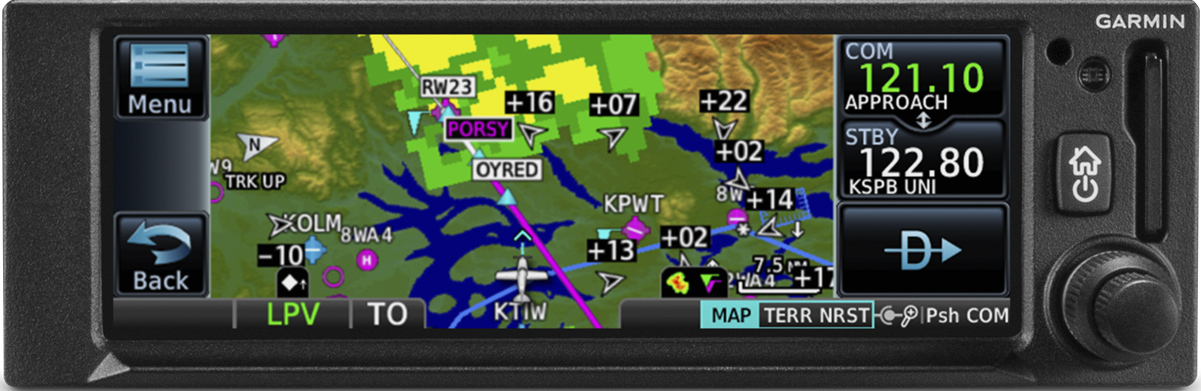
What Avionics Should You Have to Fly Light IFR Safely?
In my opinion, to fly Light IFR you need a capable pilot and … (in the order of priority)
Reliable Gyro’s and Vacuum pump are assumed!
- Dual comms and dual Nav sources (VOR, ILS, GPS*)
*IFR GPS has become a standard IFR navigation tool - An Audio Panel with Markers and an intercom (required with 2 radios)
- A Mode S ES ADS-B Compliant Transponder (WAAS is required)Or A Universal Access Transceiver/Transmitter (UAT)
- ADS-B IN WX and Traffic (I think traffic is most important!)
- A Basic Autopilot (although you can’t buy basic anymore)
- Enhanced Engine monitoring (beyond factory basics)
- A 406MHz ELT or Personal Locator Beacon /PLB (recommended in Terrain)
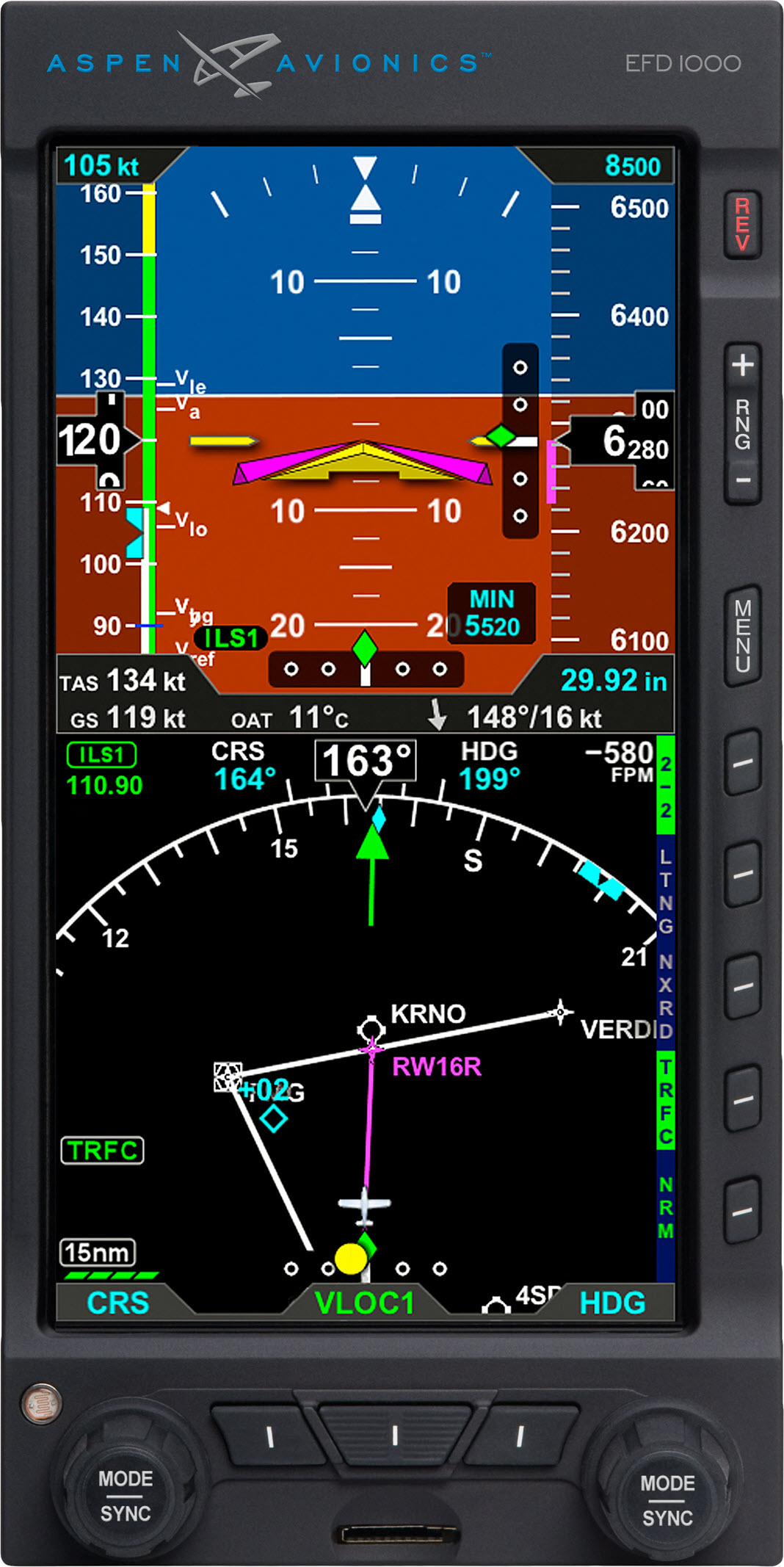
(Electronic Flight Instruments are an option for those with the budget)
Let’s Do Something Different!
Here’s a recent client interaction that will help us put a dollar value on a typical Light IFR upgrade:
Jonathan purchased a 1974 Cessna 172M two years ago. The aircraft has 2243 hours total time, with just 417 hours since a major overhaul. The paint and interior are average and he, thanks to a previous relationship with the seller, paid just $85,000 for it. This is Jonathan’s first airplane, and he did good! I looked at others on the market and found 172M’s with higher time, (especially higher since major overhaul) in the $150,000 range. Other than a uAvionix tailBeacon and Horizon digital tachometer, everything else in the panel is “antique.” His goal is to keep the 172 for at least ten years with “no plans to fly harder than Light IFR.
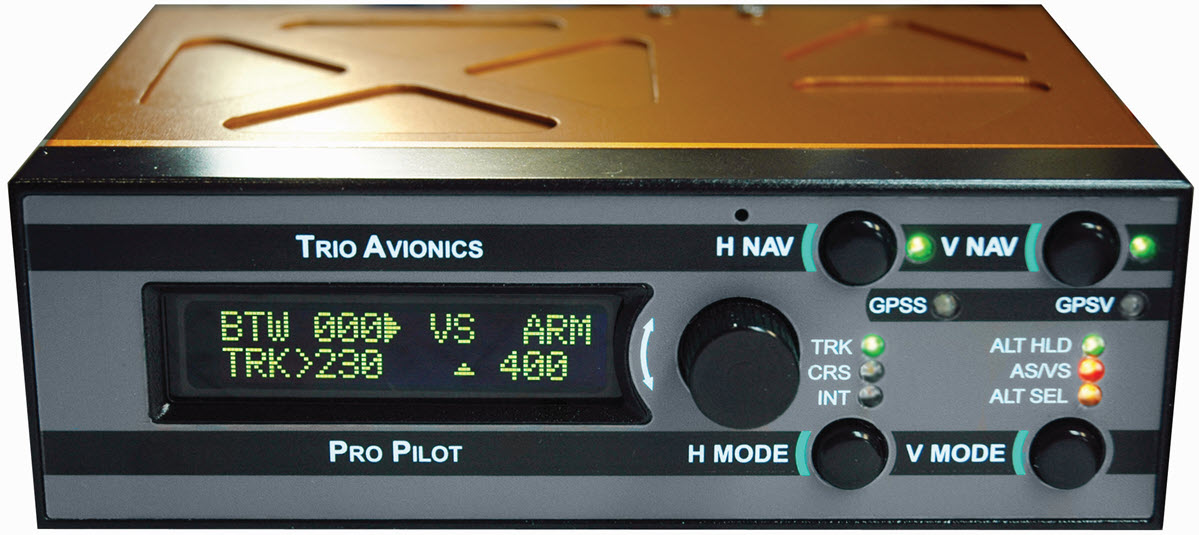
Here is the specific list of my Light IFR recommendations and estimated budget for Jonathan with his 1974 Cessna 172M:
| Garmin GNC 355 GPS/Com with MD-200-706 CDI/Installed | $14,100 |
| Trig TX-56A Navcom with MD-200-706 CDI/Installed | $8,500 |
| PS Engineering PMA-8000G Audio Panel/Installed | $5,500 |
| Garmin GTX 325 Mode A/C Transponder/Installed | $3,900 |
| Trio Pro Pilot Autopilot/Installed | $11,200 |
| JPI EDM-830 Engine Analyzer/Installed | $6,600 |
| Artex Model 345 406 MHz ELT/Installed | $2,400 |
| Estimated Light IFR Installed Total* | $52,200 |
Have a website login already? Log in and start reading now.
Never created a website login before? Find your Customer Number (it’s on your mailing label) and register here.
JOIN HERE
Still have questions? Contact us here.