No Place for the Term “Invasive” in Aerospace Maintenance
By Carl Ziegler, A&P/IA
It’s hard to argue this scenario: You go to the hospital for any kind of surgery and the procedure has them lay the gas on you to knock you out and they zip you open. We can safely call this surgical procedure “invasive.”
So, how relevant is it when journalists and writers in our aviation environment use this medical term to describe work on an airplane that involves significant disassembly and assembly? Especially when we use procedures that are normally described in maintenance documents approved by the FAA and/or manufacturers? To be frank with you (and my name is Carl), in my half a century of involvement in aviation, I can’t think of a time when I (or any of my cohorts) used the term “invasive” when working (or describing work) on aircraft that ranged from homebuilts, Cessna 150s through 747s or Airbus 350s. Do you know the secret label we use to describe some of the major work and repairs we do on large aircraft? One word. Routine!
English class time. When was the last time any of us actually pulled out a dictionary to look up a definition? I got the old book right here in front of me on my desk and I correlated its definition using good old Google. Let’s clear the air on the definition of the word being used to describe aircraft maintenance.
In the Webster dictionary, “invasive” primarily means tending to spread aggressively or intrusively.
I checked several definition sources and I’m not quite sure how anyone is able to use the term invasive to describe any process that we actually do on an aircraft. There were all kinds of examples for surgical and biological operations, but I didn’t see anything relating to maintenance of any mechanical entity such as an airplane or aircraft engine. I felt certain there would be a dictionary reference stating that removing the engine or transmission from my Dodge Caravan would be an example of invasive mechanical work. But alas, there was none.
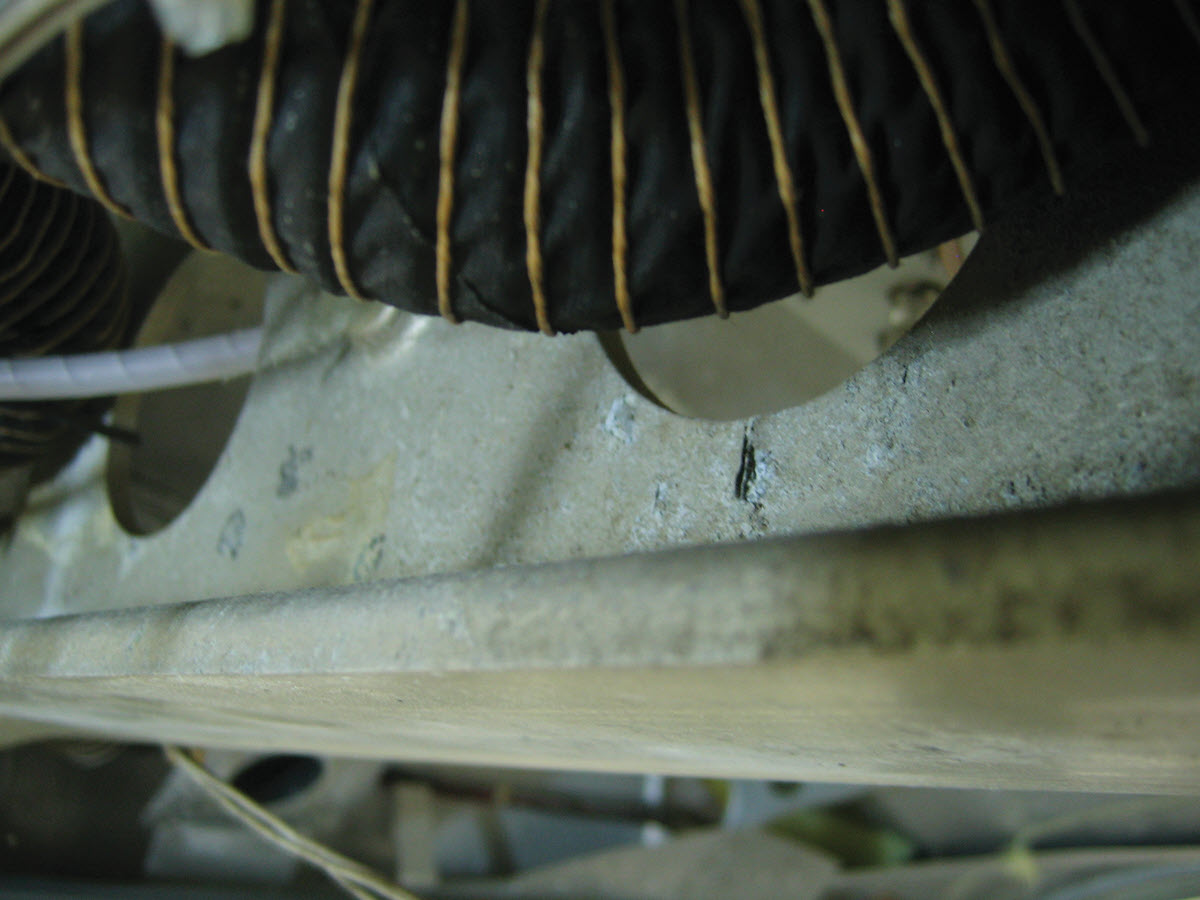
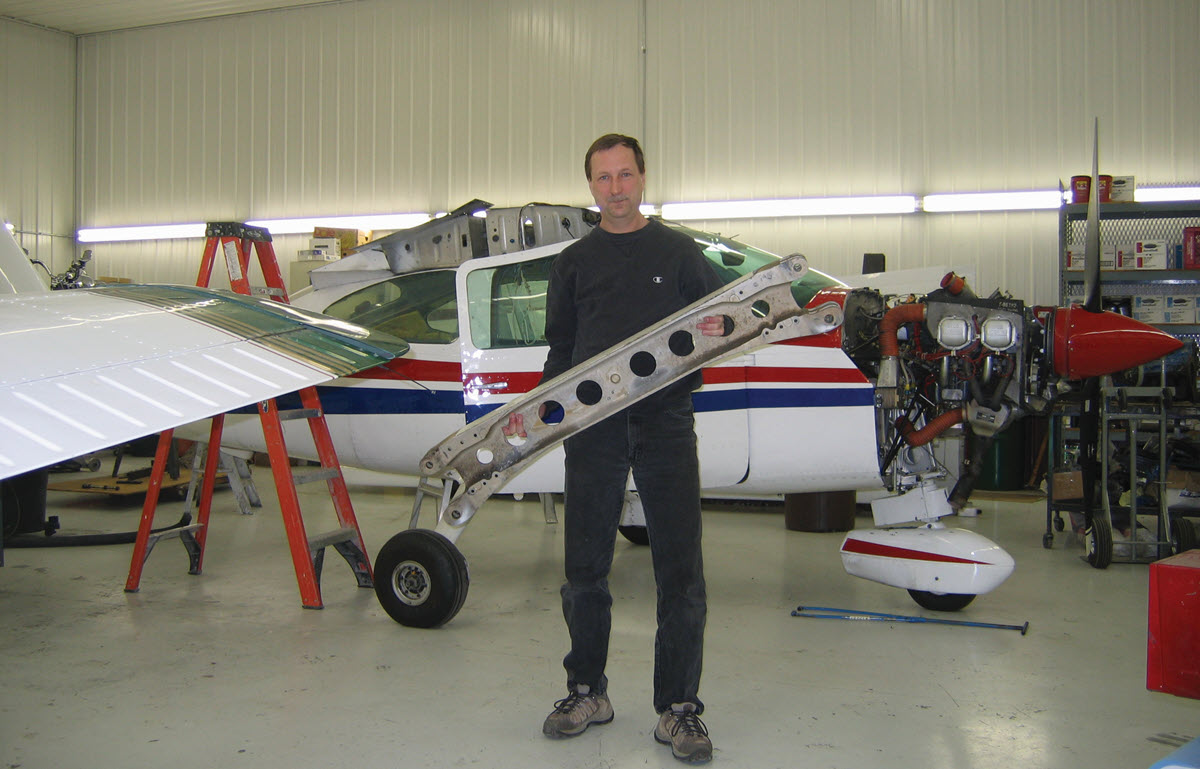
Eyes over to some photos for this briefing. The first set of photos is something I hope Cessna owners never encounter: the dreaded spar carry-through with corrosion. I found this on a Cessna Cardinal back in 2007! That is me holding the spar. Of course, the wings have to come off as well as everything attached to them. While some may call this an “invasive” type of event, as mechanics we just call this all in a day’s work. Routine. It is not like we are flying blind. Many manufacturers have sections in maintenance manuals dealing with structural repairs. Most of the time it is a great reference for accomplishing a repair as well as a legal reference for signing off on the work. Maintenance also has additional documents at its disposal: Advisory Circulars (acceptable practices), Airworthiness Directives, and various service information from manufacturers. I’ll discuss the Cessna spar in another article. We got the Cardinal back up in the air with a serviceable spar. Time consuming, but routine.
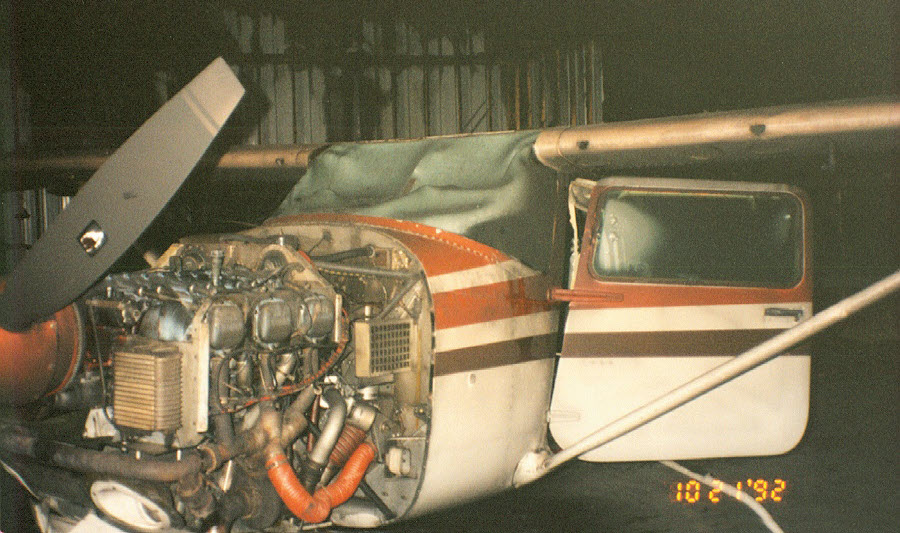
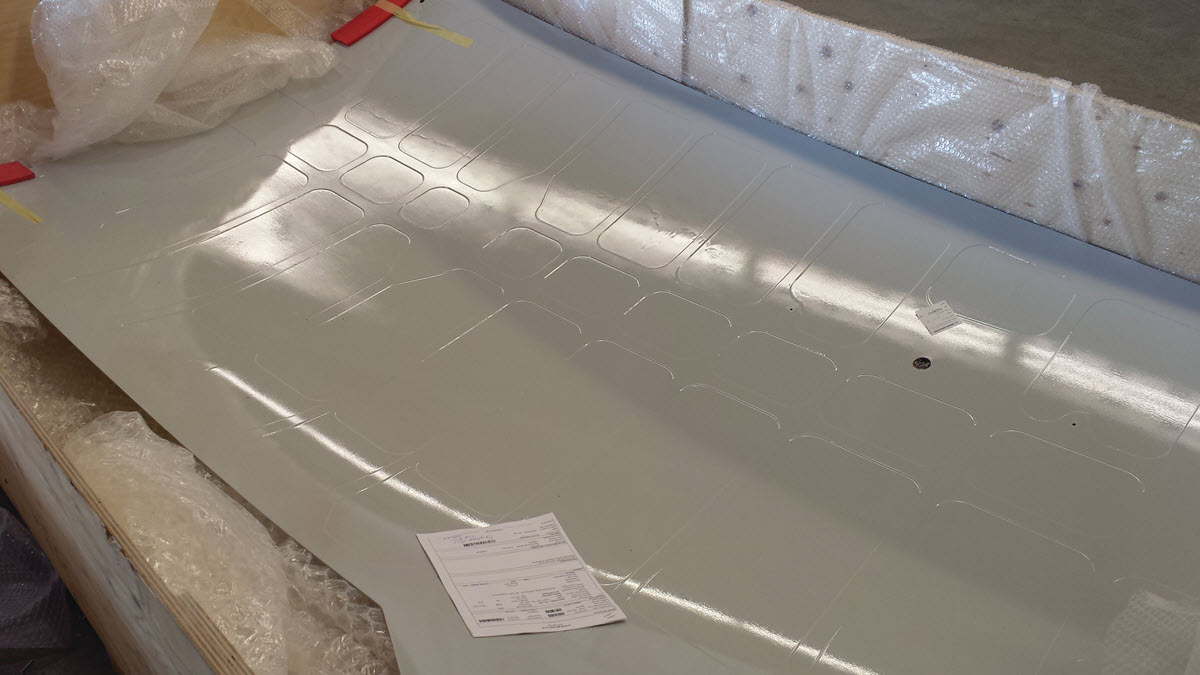
Next, take a look at the roasted Turbo Skylane T182RG. Toast, you say! Nope. Paul managed to buy it back from the insurance company and, together with my buddy Tim, over the course of two years we had the wings rebuilt, reskinned the center section, and updated the avionics! We had this ride completely gutted. Working systematically, we had it better than before the hangar fire. Lots of manual references and even more common sense, and at a turtle’s pace, made this restoration routine!
Certainly, there must be something in our aviation sphere we can say warrants the “invasive” label? Ok, how about a little skin replacement on an airliner?
The rest of this article can be seen only by paid members who are logged in.Have a website login already? Log in and start reading now.
Never created a website login before? Find your Customer Number (it’s on your mailing label) and register here.
JOIN HERE
Still have questions? Contact us here.
Carl has close to 50 years of continuous experience working as an aircraft technician and 38 years as an IA. In addition to GA, he has acquired over 38 years of airline experience with Northwest and most recently with Delta, finishing his last 13 years of airline service as an aircraft inspector. He currently flies a 1976 Cessna 172N.