By Hartzell Aviation
Aircraft maintenance conversations tend to start with a component.
A magneto is approaching its inspection interval. An alternator begins acting differently. An exhaust component shows signs of wear. An engine is getting closer to TBO. A mechanic finds aging wiring behind the panel.
But the decisions that follow are rarely about just that one component.
That was one of the clearest takeaways from Hartzell Aviation’s recent webinar, The Maintenance Decisions That Save Aircraft Owners the Most Money. More than 500 Cessna and Piper owners registered, providing an unusually direct look at the maintenance issues on their minds. More than 100 also submitted specific questions they wanted addressed.
Those questions covered everything from ignition systems and exhaust inspections to engine longevity, aging wiring, corrosion, parts availability, and finding qualified maintenance support.
Taken together, though, they point to a larger shift in how many owners are thinking about maintenance: not simply as a series of repairs, but as an ongoing effort to keep an aging aircraft reliable, available, and affordable to operate.
Here are five themes that stood out.
1. Keeping an Aging Aircraft Reliable Is a Long-Term Project
Many of today’s Cessna and Piper aircraft have been flying for decades. That doesn’t make them unreliable, but it does make maintenance history, condition, and planning increasingly important.
Owners in the webinar asked about maintaining aircraft and engines that have been in service for decades, aging wiring, corrosion, hoses, structural concerns, and the availability of replacement parts for older airplanes.
The common thread wasn’t simply age. It was how to manage age intelligently.
A component that has provided years of dependable service may still be perfectly serviceable. Another of similar age may be showing signs that it’s time for closer inspection, overhaul, or replacement. Hours, operating environment, maintenance history, installation condition, and how the aircraft is used all matter.
For owners, that makes knowing the history of the aircraft—and looking beyond the immediate discrepancy—more valuable with every passing year.
2. More Owners Are Trying to Get Ahead of Maintenance
One of the strongest themes in the owner responses was preventive maintenance.
Owners asked what should be inspected between annuals, which preventive practices make the biggest difference, what commonly gets overlooked, and how to develop a maintenance plan rather than simply responding when something fails.
The registration data reinforces that mindset. Forty-four percent of respondents said they try to stay ahead of maintenance with preventive repairs, while another 18% said they follow recommended inspection intervals. Reducing unexpected downtime was also one of the most frequently cited owner concerns.
That doesn’t mean replacing serviceable components simply because they’re old.
It means paying attention to the systems and components most likely to create problems, watching for changes, and using scheduled maintenance as an opportunity to identify developing issues before they become unscheduled ones.
An annual inspection can therefore be more than a once-a-year airworthiness exercise. For an owner who flies regularly, it can also become a planning point for the year ahead.
3. “When Should I Replace It?” Doesn’t Always Have a Simple Answer
A recurring question from owners involved deciding when continued service stops making sense.
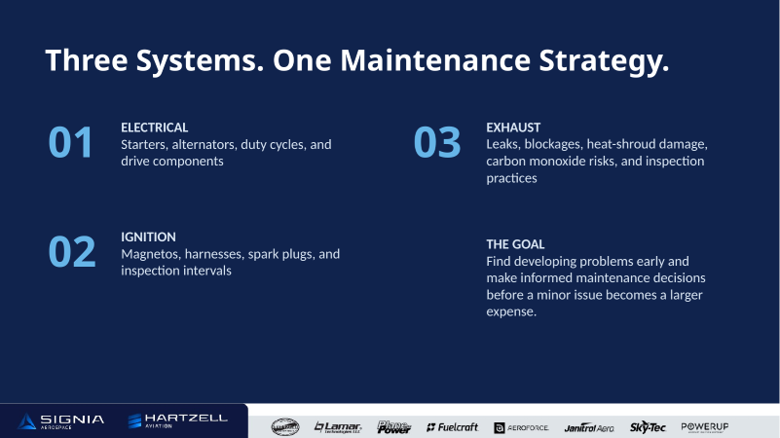
Some asked about magnetos approaching inspection intervals. Others asked about engines approaching or exceeding TBO, aging electrical components, starters, hoses, wiring, and other equipment.
The question becomes more complicated when an upgrade is available.
As we discussed previously with ignition systems, the right time to upgrade isn’t necessarily when a component fails. A scheduled inspection, overhaul, or replacement may create an opportunity to consider whether returning the airplane to its existing configuration still makes the most sense.
The same reasoning can apply elsewhere on the aircraft.
What is the condition of the existing component? How reliable has it been? What maintenance will it require going forward? Are replacement parts readily available? Is there a better-supported alternative? Would doing the work now prevent another maintenance event later?
Sometimes the right decision is to keep flying what you have. Sometimes it’s to overhaul. Sometimes replacement or an upgrade makes more sense.
The important trend is that owners are increasingly asking the question before they’re forced to answer it with an airplane sitting in a maintenance shop.
4. Modern Avionics Are Putting New Attention on Older Electrical Systems
One of the more interesting themes in the owner questions involved electrical reliability.
Today’s aircraft can have substantially different electrical demands than they did when they left the factory. GPS navigators, electronic flight displays, engine monitors, electronic ignition, tablets, USB power, and other equipment can change both the load on the electrical system and the consequences of losing it.
That has owners thinking beyond the alternator itself.
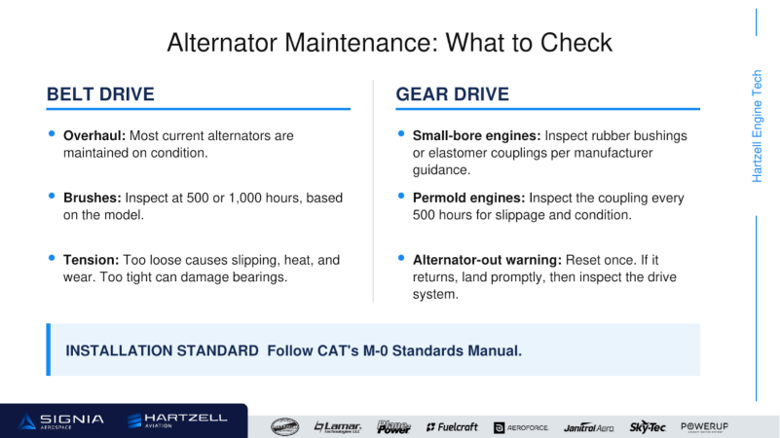
Questions touched on aging panel wiring, alternator performance, fluctuating voltage, backup electrical sources, standby batteries, electrical capacity, and how to evaluate the health of the entire system.
That’s an important distinction.
A charging-system problem isn’t always an alternator problem, just as a starting problem isn’t always a starter problem. Wiring, connections, grounds, batteries, regulators, and other components can all affect system performance.
As aircraft are modernized, understanding the condition and capacity of the electrical system supporting those upgrades becomes increasingly important.
5. Downtime Is About More Than a Failed Part
Aircraft owners understandably worry about mechanical failures, but the questions submitted for The Maintenance Decisions That Save Aircraft Owners the Most Money highlighted another reality: a relatively straightforward maintenance problem can become a lengthy grounding event.
Diagnosis takes time. Shops have schedules. Experienced technicians aren’t always available. Parts may need to be sourced. An owner may need to decide between repair, overhaul, exchange, or replacement before the airplane can return to service.
Several owners specifically asked about finding maintenance expertise, working with a new A&P, getting help with difficult-to-diagnose problems, parts availability, and what to do when a longtime mechanic is no longer available.
That makes maintenance planning partly a logistics exercise.
If a known inspection or maintenance event is approaching, discussing it with your mechanic in advance can provide time to evaluate options, locate parts, identify qualified repair resources, and potentially coordinate other work while the aircraft is already down.
It can also help avoid one of the most frustrating situations in aircraft ownership: discovering the next problem immediately after completing the last maintenance event.
The Bigger Maintenance Picture
Perhaps the most revealing thing about the questions owners submitted wasn’t any single maintenance issue.
It was how interconnected the issues have become.
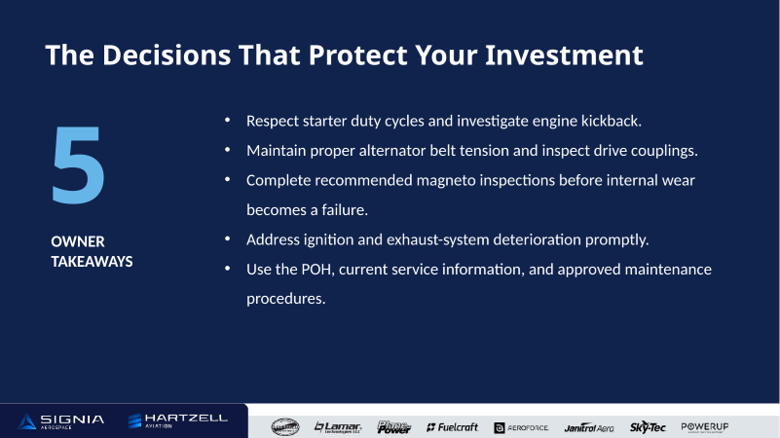
Owners are thinking about ignition reliability alongside engine reliability. They’re thinking about modern avionics alongside aging electrical systems. They’re considering parts availability when deciding whether to repair or replace something. And they’re weighing the cost of preventive work against the cost and inconvenience of unexpected downtime.
That’s a useful way to think about maintaining any aircraft, particularly one that’s been flying for several decades.
Rather than asking only, “What needs to be fixed today?” it can be worth asking a few additional questions:
- What is likely to need attention next?
- What can we learn from the condition of related components and systems?
- Is there work that makes sense to coordinate while the airplane is already down?
- And are there decisions we can make now that could improve reliability over the next several years?
Those are questions worth discussing with the technician who knows your aircraft.
And they’re increasingly the questions aircraft owners themselves are asking.
Watch The Maintenance Decisions That Save Aircraft Owners the Most Money
The conversation doesn’t have to end here. Hartzell Aviation’s recorded webinar, The Maintenance Decisions That Save Aircraft Owners the Most Money, takes a deeper look at preventive maintenance, aircraft reliability, common maintenance decisions, and ways owners can reduce unexpected downtime.
About Hartzell Aviation
Hartzell Aviation provides products and services that support general aviation aircraft throughout their operating lives, with capabilities spanning ignition, electrical, exhaust, engine accessories, and aircraft support systems. Hartzell Aviation MRO provides repair, overhaul, exchange, diagnostics, and lifecycle support through a connected network of certified facilities across the United States and Canada.
Industry Distinction: FAA Certified Unlimited Repair Station