Piper Enforcer
Piper Enforcer, a rare turboprop attack aircraft developed from the P-51 Mustang and pitched to the U.S. Air Force.
Read More

Piper Enforcer, a rare turboprop attack aircraft developed from the P-51 Mustang and pitched to the U.S. Air Force.
Read More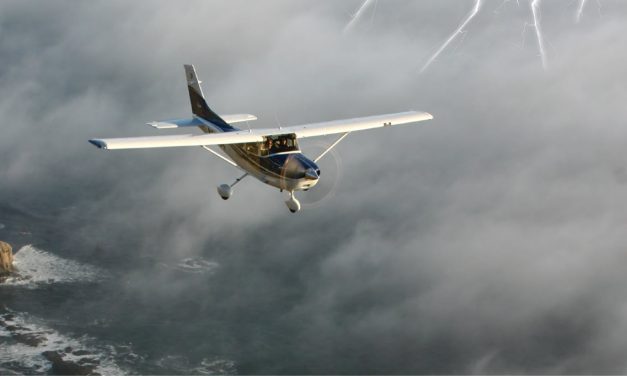
High altitude cuts both ways. The myth is that flying high positions you above the weather and insulates you from the instability of bouncing along in turbulence.
Trouble is, some of the most severe weather may be hiding in (and out of) the clouds above 15,000 feet. Thunderstorms are among the most feared weather phenomena above, spawning furious winds, tornadoes, violent hailstorms, and torrential rain.
Read More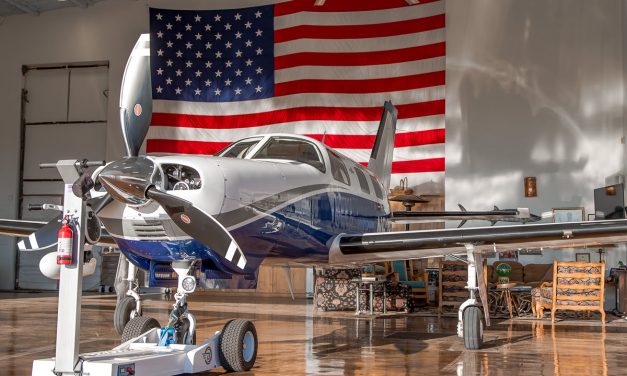
The Piper Malibu Mirage remains one of the most capable and enduring piston-powered single-engine aircraft ever built. Developed as a pressurized alternative to complex twin-engine airplanes, the PA-46 combined high-altitude performance, impressive range, and cabin comfort in a package that appealed to serious cross-country pilots. This article explores the aircraft’s origins, design evolution, performance characteristics, and lasting impact on general aviation.
Read More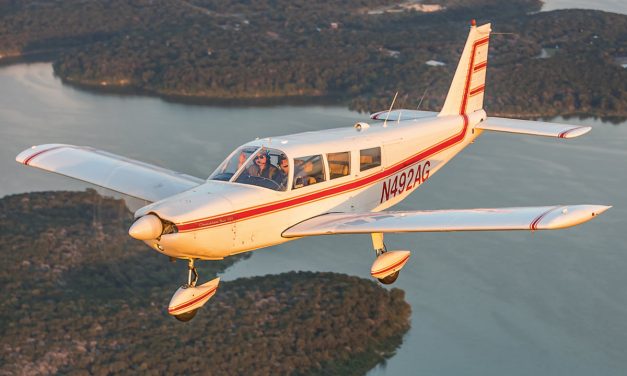
Discover 15 essential things to know about the Piper Cherokee Six, including performance, ownership costs, payload, handling, and why this legendary six-seat aircraft remains a favorite among pilots.
Read More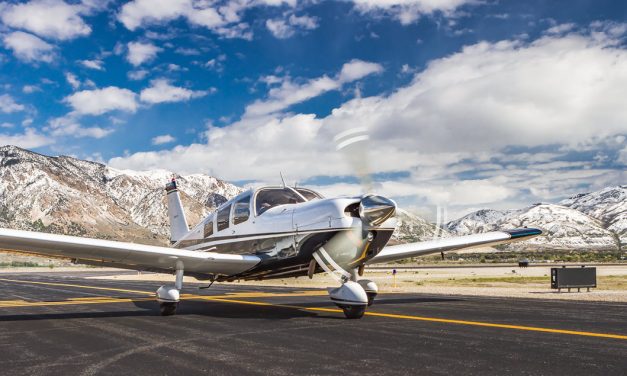
The Piper Cherokee Six earned its reputation as the “power lifter” of general aviation thanks to its impressive payload, roomy cabin, and dependable Lycoming engine. From hauling families and cargo to tackling long cross-country flights, the PA-32 blends utility, comfort, and rugged performance into one versatile aircraft beloved by owners and pilots alike.
Read More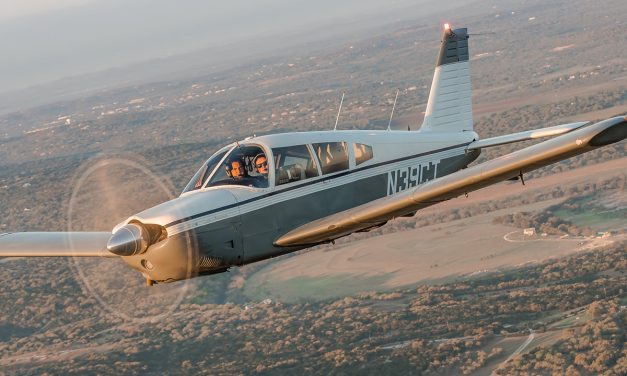
When the Piper Arrow premiered in 1967, it was little more than a retractable Cherokee 180 with a constant speed prop. The PA-28-180 had earned a reputation as one of the most capable, entry-level, four-seaters in the industry, and Piper hoped to parlay that status into a successful retractable.
Read More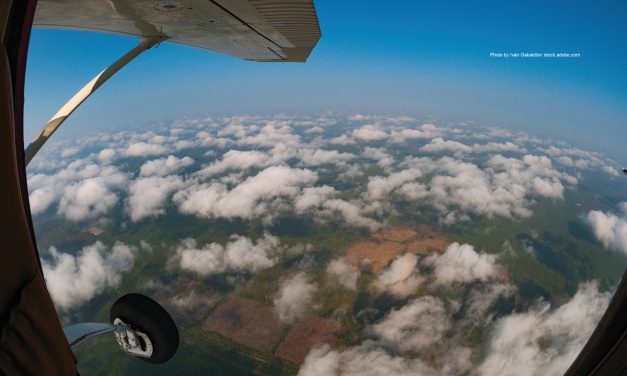
smooth, carefree flight at 8,500 feet suddenly turns into chaos when a deafening bang shatters the calm, flooding the cockpit with air and sending charts flying.
Read More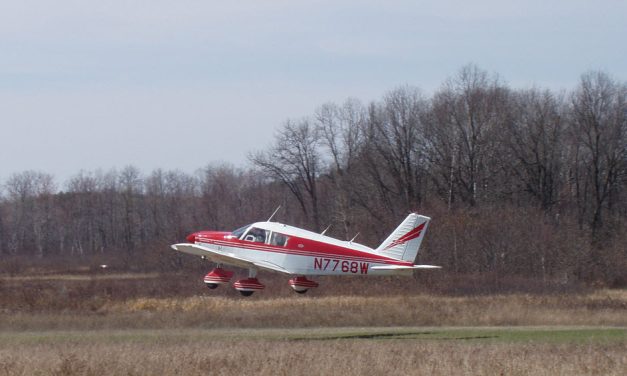
The first 60 seconds after throttling up are the riskiest part of any flight; if it doesn’t come together then, the rest may not matter.
Read More
As calmly as I could, I turned on the fuel pump, then, feigning a casual motion, reached down and switched to a tank with some fuel in it. I turned to mom and Bob in the back seat, summoned what I hoped would be a reassuring smile and said, “Sorry about that. It’s no big problem. I just ran a tank dry. The engine will pick up in a few seconds.”
Read More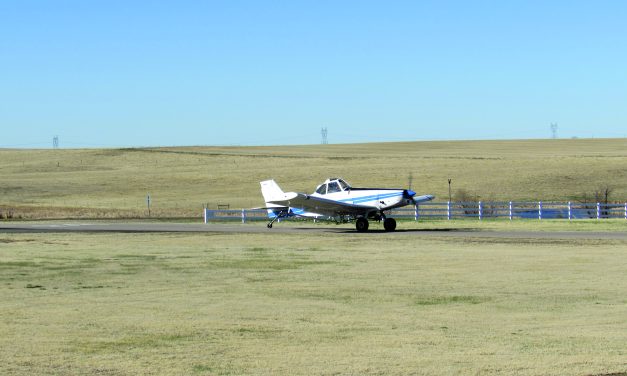
Piston-powered crop-dusters don’t get much bigger. The Piper Pawnee Brave stood tall and massive sitting on the frozen ramp at Lubbock, Texas, a behemoth of a Piper.
Read More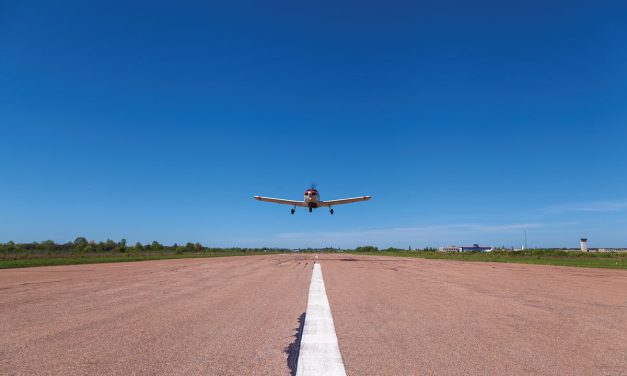
Mention the word “abort” to a pilot, and you’ll immediately summon visions of every pilot’s nightmare — an engine failure on takeoff. The airlines have rigid rules for handling that problem; general aviation should have the same rules, but it usually doesn’t
Read More
Suddenly, without warning, the Skyhawk flew through a violent downdraft like none other I’ve felt in an airplane. Dave’s Betacam slammed into the roof so hard that I was surprised it didn’t come apart.
Read More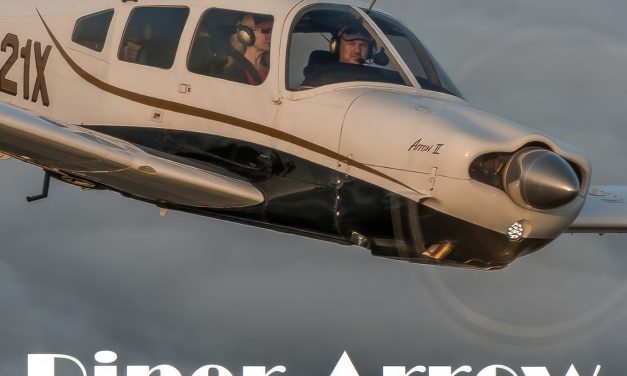
A Piper pilot’s aircraft problems are only beginning when the en¬gine fails, and the consequences of mismanaging the emergency landing can be considerably more severe. For that reason, and engine reliability is one of the pri¬mary concerns of many aviators. TBO can be a major consideration when operating an aircraft, but an equal¬ly important measure of an engine’s ability to continue running in adverse conditions is how many times it has to visit the shop between overhauIs.
The Lycoming O-320 and O-360 series aircraft engines are almost universally regarded as perhaps the most bulletproof of powerplants.

Senior contributor Bill Cox made his first international trip in 1977, flying a new Piper...
Read More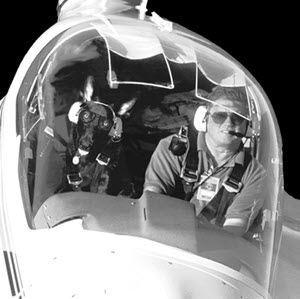
Aviation writer/photographer and pilot Bill Cox has been in love with airplanes since...
Read More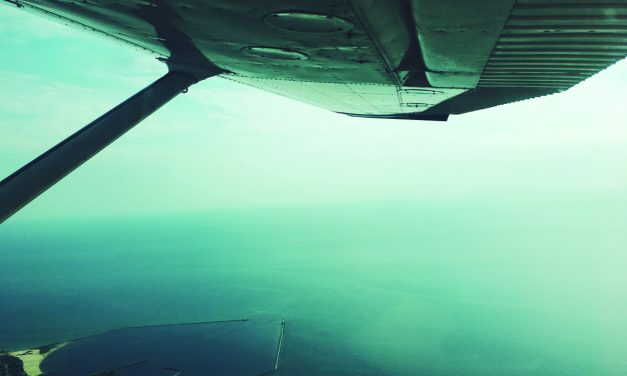
They’re the words every instrument pilot dreads: “Cleared for the back-course approach.” Yes, I...
Read More
Lightspeed Zulu aviation headset. Photo courtesy of Lightspeed Aviation I was tired. No, beyond...
Read More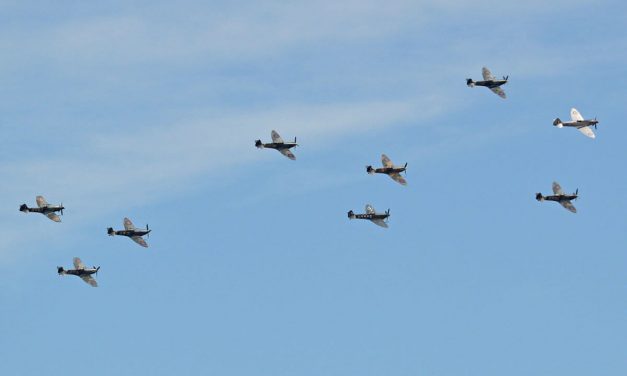
Formation flight needn’t be terrifying or dangerous, provided you stay loose Spitfires in...
Read More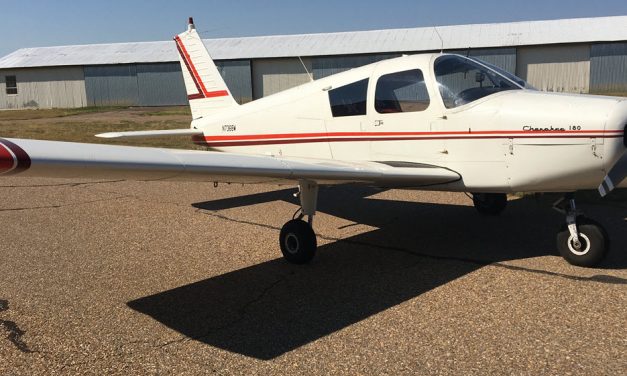
Evidence that the Piper Cherokee 180 may be the world’s simplest airplane to fly is more than anecdotal.
Read More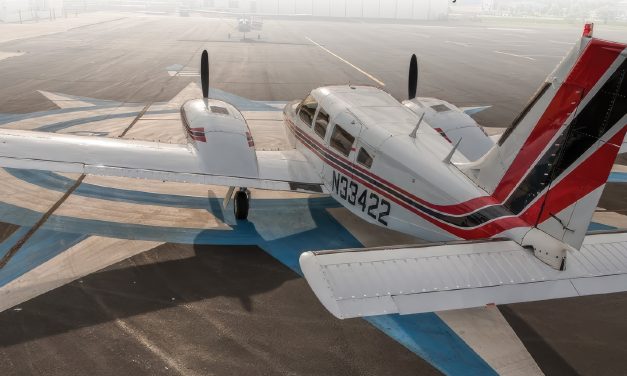
Any Piper Seneca is a flexible, talented machine, simple to fly and fairly easy on maintenance (compared to other twins). Add to that good short field performance, quick cruise, and enough creature com¬fort for most normal-sized creatures and you have all the ingredients that have kept Piper’s tough little Sen¬eca in production for a surprising 49 years.
Read More